


Beyond the Game:
Korea’s Rise and Reinvention of Sports Culture
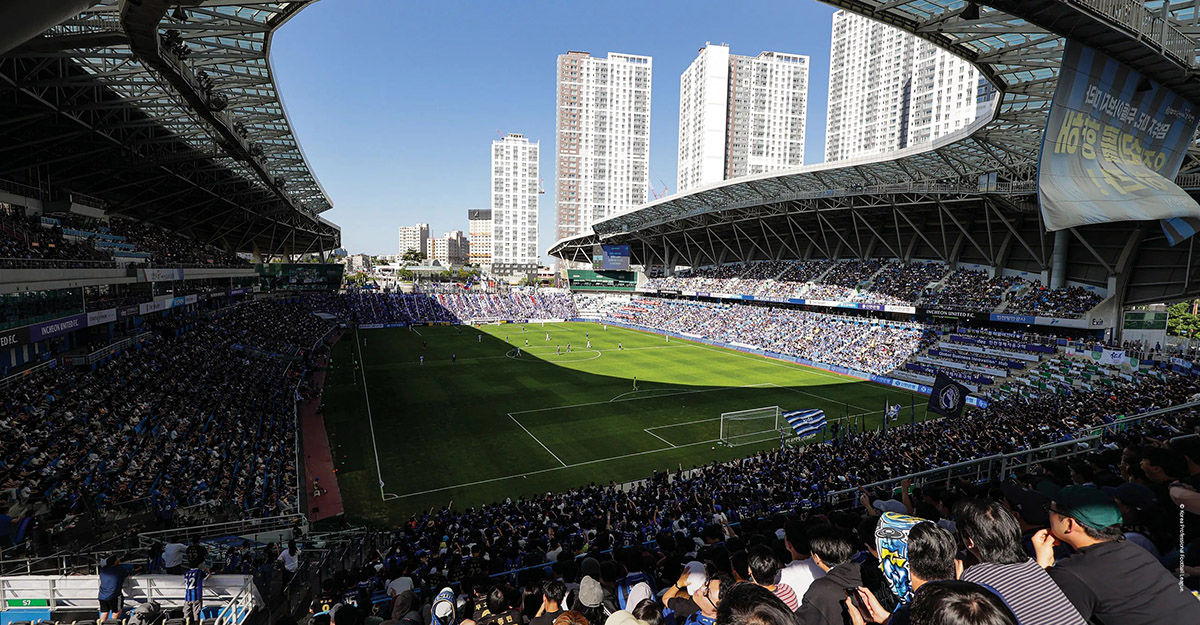
Once a peripheral hobby, sports have moved to the center of Korean culture. Today’s sports venues act as a pressure cooker of this energy, fueled by a craze among young Koreans that traces its DNA to the 2002 FIFA World Cup. While that historic moment was a single, unified event, the passion in 2026 has matured and diversified—spreading from professional leagues to a lifestyle boom in golf, tennis and running.
Cover Story
Writer Han Sung-yun
Fifty Years: From First Gold to Sports Powerhouse
When Korea won its first Olympic gold medal in wrestling at the 1976 Olympic Games in Montreal, few could have imagined that fifty years later the country would be gaining global recognition for its distinct sports trends. Hosting the 1988 Olympic Games in Seoul and the 2002 FIFA World Cup helped Korea cement its place as a sports powerhouse, reflecting its vibrant sports culture and strong national pride. Korea remains the only Asian country to have reached at least the semifinals in both the Olympics and the World Cup.
The breadth of Korea’s sports success has widened, too. The Olympic gold medals once concentrated in combat sports like wrestling and boxing have since spread to swimming, fencing and others. When Kim Yuna won the gold in figure skating at the 2010 Olympic Games in Vancouver, Korea joined the ranks of winter sports powers as well.
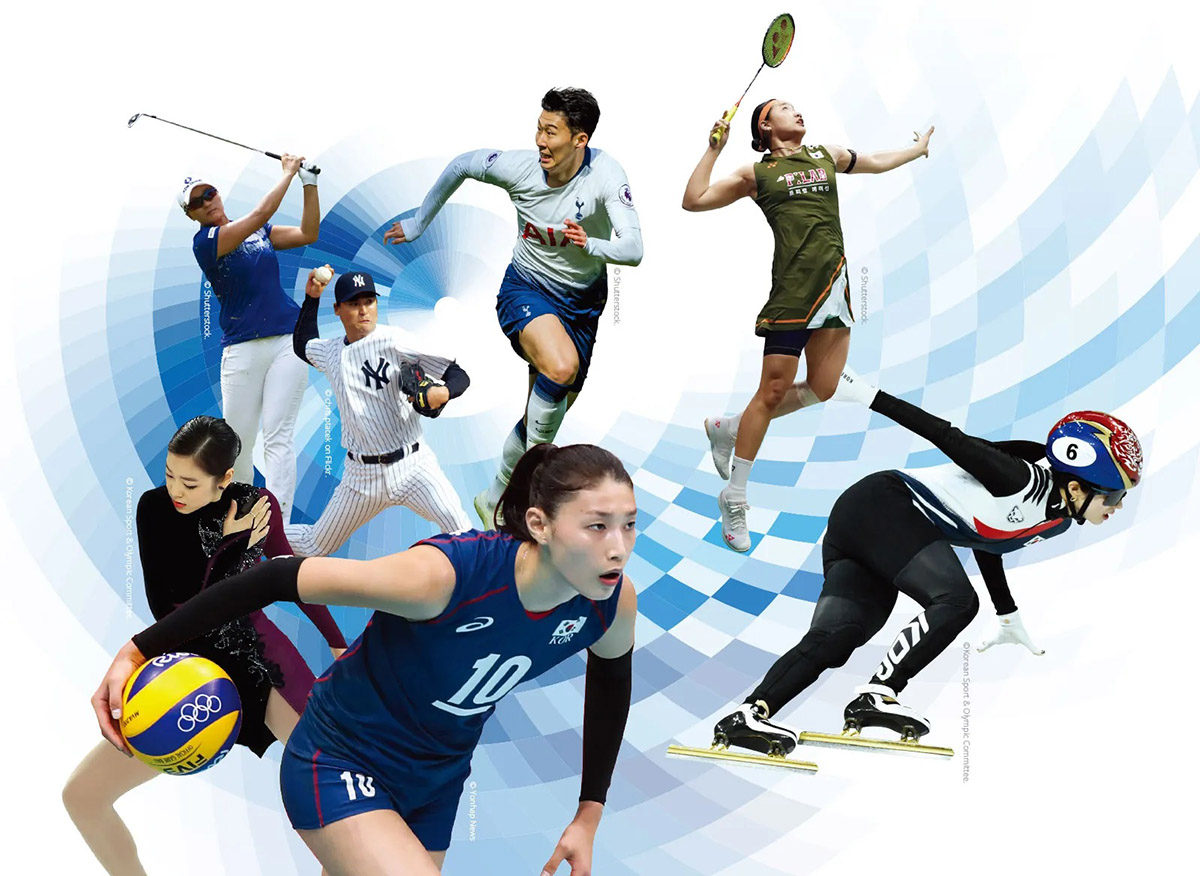
This arc mirrors Korea’s broader story of rapid development since the 1970s. Korea’s state-led strategy and relentless work ethic produced results in record time. The concentrated investment in elite athletes—symbolized by the Taereung National Training Center—and the scientific training methods developed through the Korean Institute of Sport Science became a model for other countries whose programs had stagnated. Korean coaches in archery, taekwondo and short-track speed skating are now recognized worldwide and lead national teams across the globe. Just as K-pop crossed borders in the age of multi-platform media, Korean sports is exporting its own culture in baseball and beyond.
-
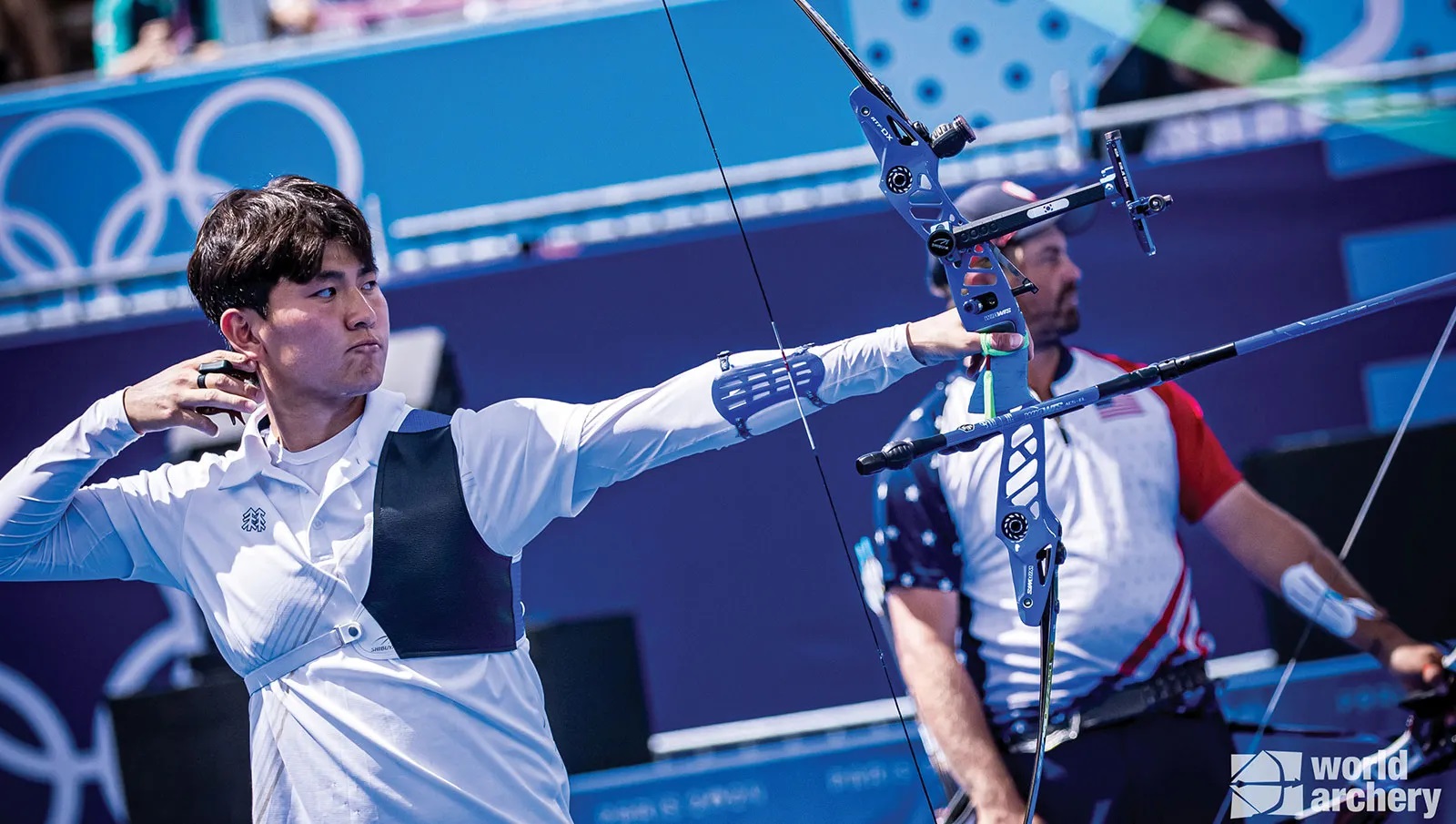
Kim Je-deok of Team Korea shoots during the men’s team event at the 2024 Olympic Games in Paris. © World Archery Federation.
-
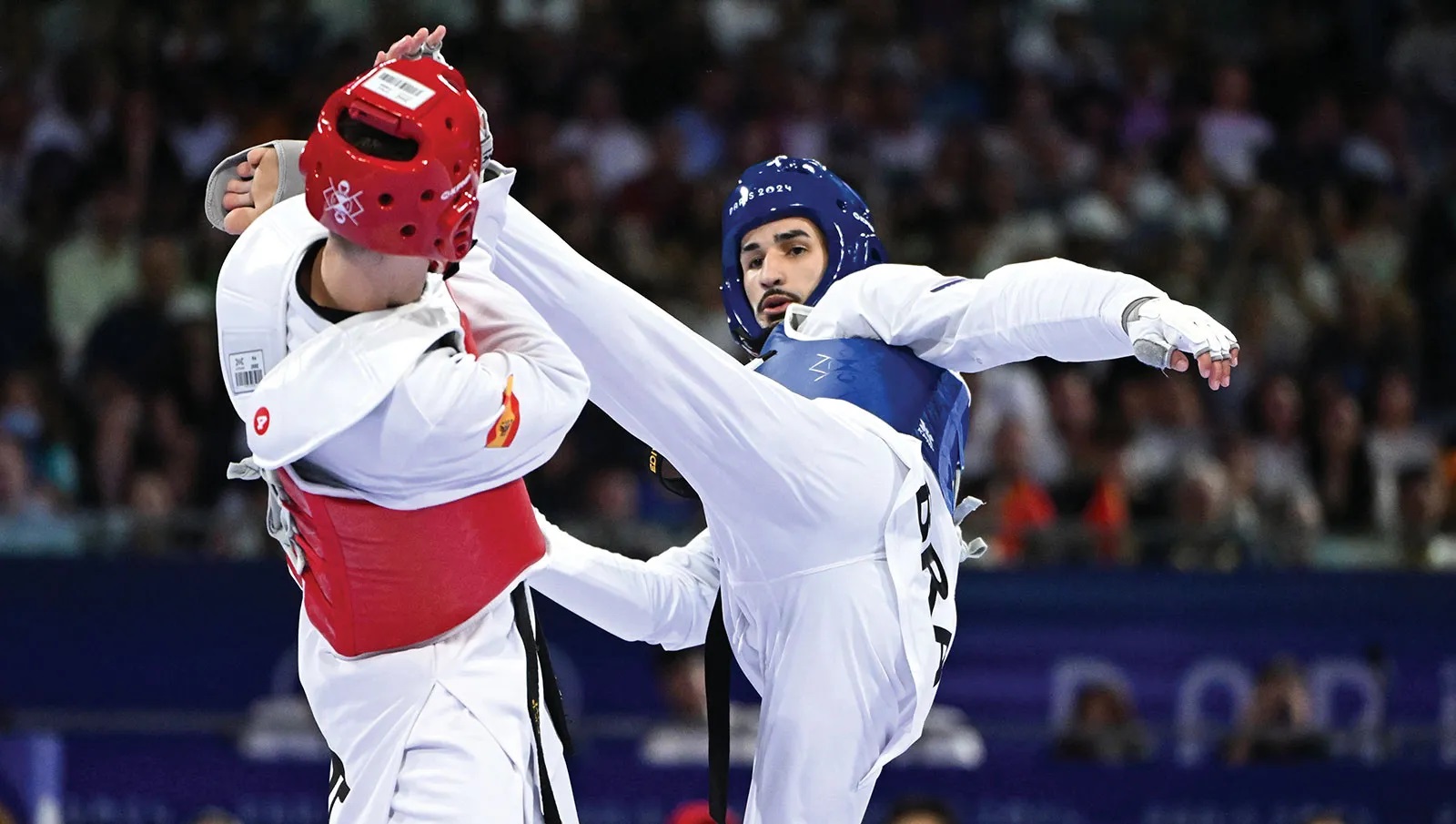
Taekwondo, Korea’s national sport, is a martial art known worldwide for its precise technique and emphasis on discipline. This photo captures a moment from the men’s 68 kg bronze medal match at the 2024 Olympic Games in Paris. © Shutterstock.
Women Fans Transform the Sports Industry
While international triumphs like the 2002 World Cup semifinal can spark national pride, Korean sports culture has shown it doesn’t depend on winning. Professional baseball boomed in 2023 despite a poor showing at the World Baseball Classic. This means the culture has developed a momentum of its own.
One of the most striking features of Korean sports venues is that women outnumber men. According to a recent survey by the Korea Professional Sports Association, women made up 56.7% of Korea Baseball Organization (KBO) baseball attendees in 2025. In Korean professional soccer, women account for 55% of stadium attendance, and for national team matches, that figure often exceeds 60%.
The ugly scenes of the past—hostility and aggressive behavior after bad games—have largely disappeared, and credit goes significantly to female fans who brought with them the enthusiastic energy of K-pop fandoms. These fans cheer regardless of the score, and they’ve driven a merchandise boom—from “KBO bread” to branded tumblers—that has put the sports industry firmly in the black. KIA Tigers player Kim Do Yeong’s jersey alone recorded KRW 10 billion in sales in 2024.
-

© SHINSEGAE GROUP NEWSROOM.
-
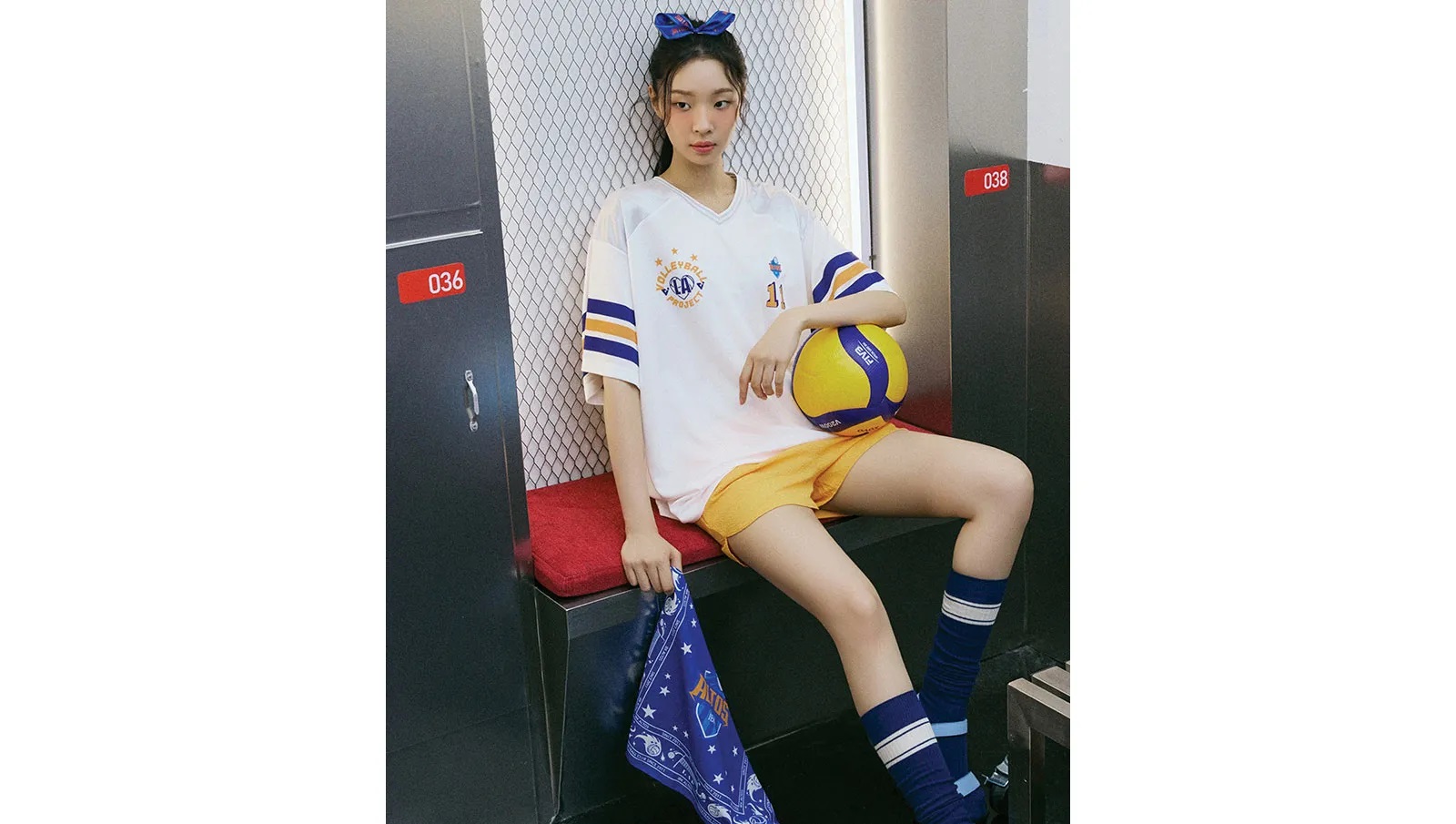
A collaboration product launched by the Korea Volleyball Federation (KOVO) and fashion brand LAP. The model wears the Industrial Bank of Korea (IBK) short-sleeve fashion T-shirt for the 2025–26 season. © Korea Volleyball Federation.
-

Starbucks Korea launched collaborative goods with the KBO under the theme “Swing for Joy” to mark the opening of the KBO League season. © SHINSEGAE GROUP NEWSROOM.
-
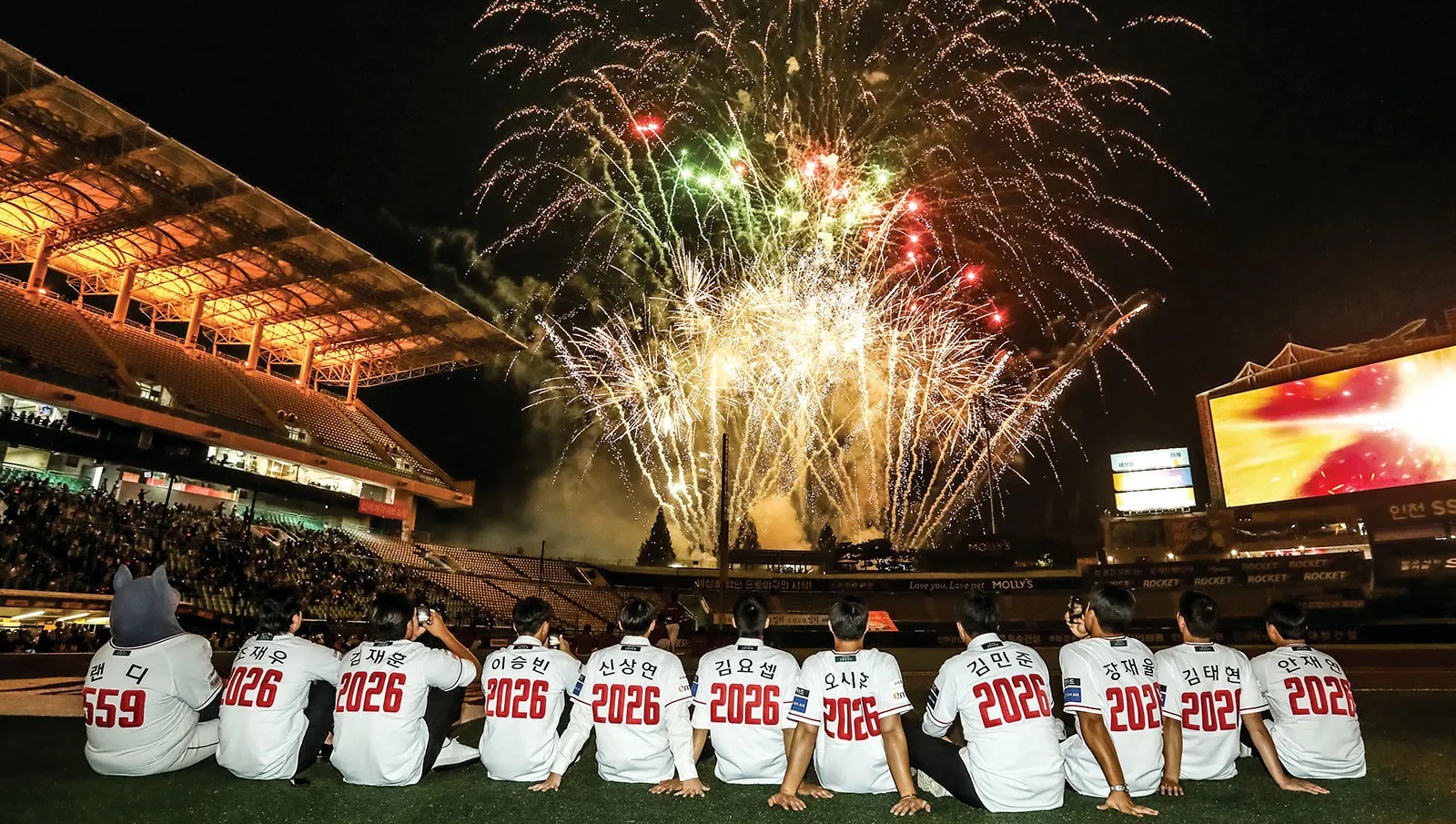
Incheon SSG Landers Field, a baseball-dedicated stadium, occasionally presents its signature fireworks show as a fan-focused event. © SHINSEGAE GROUP NEWSROOM.
-
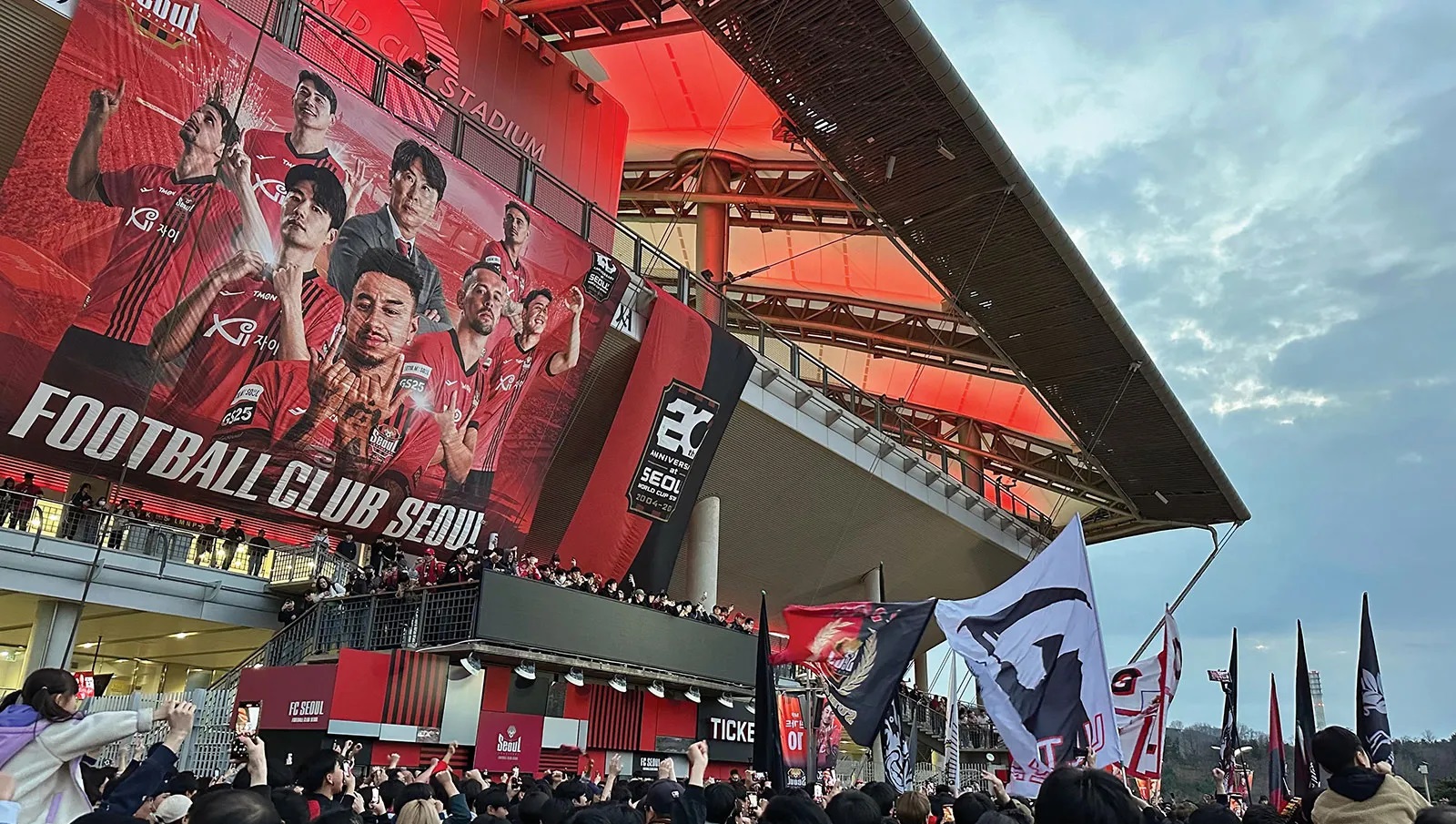
FC Seoul fans celebrate a victory with flags outside Seoul World Cup Stadium on Mar. 17, 2024. © Shutterstock.
-
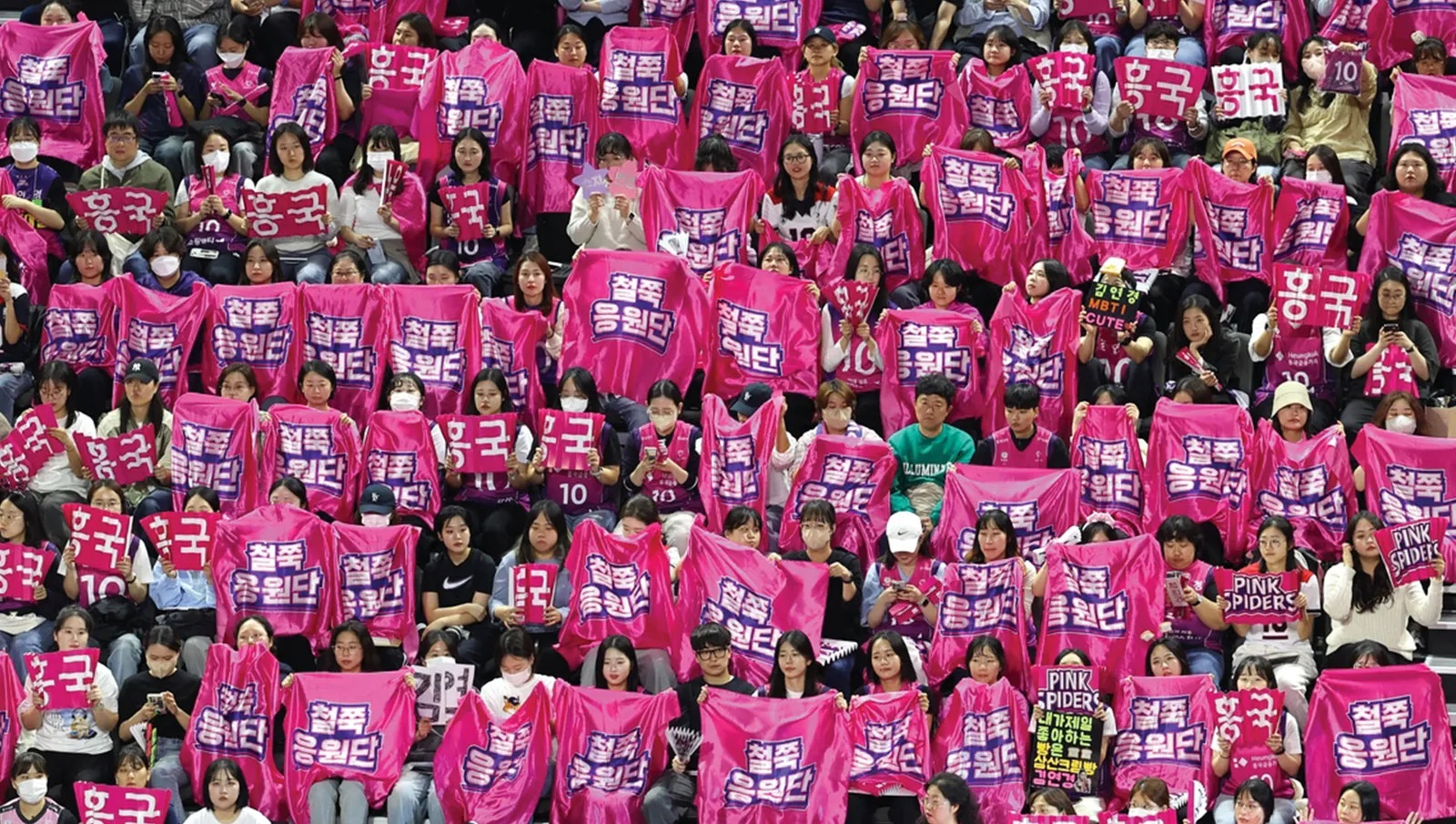
Fans cheer on the Incheon Heungkuk Life Pink Spiders volleyball team, with a crowd largely made up of women. © Heungkuk Life Insurance Volleyball Club Pinkspiders.
Technology Meets Korean Sensibility
Another defining trait of Korean sports culture is the fusion of participatory fandom with cutting-edge systems. Korean baseball stadiums function as what might be called the world’s largest noraebang (karaoke rooms), with every fan joining in on player-specific fight songs or crowd favorites like “Busan Galmaegi” and “I Am Happy.” American baseball has its picnic-style standing ovations; Japanese baseball has its quieter, outfield-centered cheering sections. Korea’s approach is distinct—infield and outfield unified, led by cheer squads, releasing an almost volcanic communal energy.
Underpinning all that energy is trust in fair play, and Korea has helped deliver that by becoming the first country in the world to implement an Automated Ball-Strike system (ABS). Korea’s legendary “ppalli-ppalli” (hurry-hurry) culture proved an asset here—the country moved faster than the U.S. or Japan to eliminate umpiring controversies. Add in high-speed camera broadcast technology covering every game in real time, and the KBO’s credibility has grown substantially. Korean stadiums are now on the itinerary for international tourists seeking a firsthand taste of “Sports Hallyu (Korean Wave).”
-

SEOUL 100K (Seoul International Ultra Trail Running), an ultra-trail running event where participants can experience Seoul’s major natural, historical and cultural landmarks—including its mountains, trail routes and the Hangang River—all at once. © DONGMA CLUB.
-
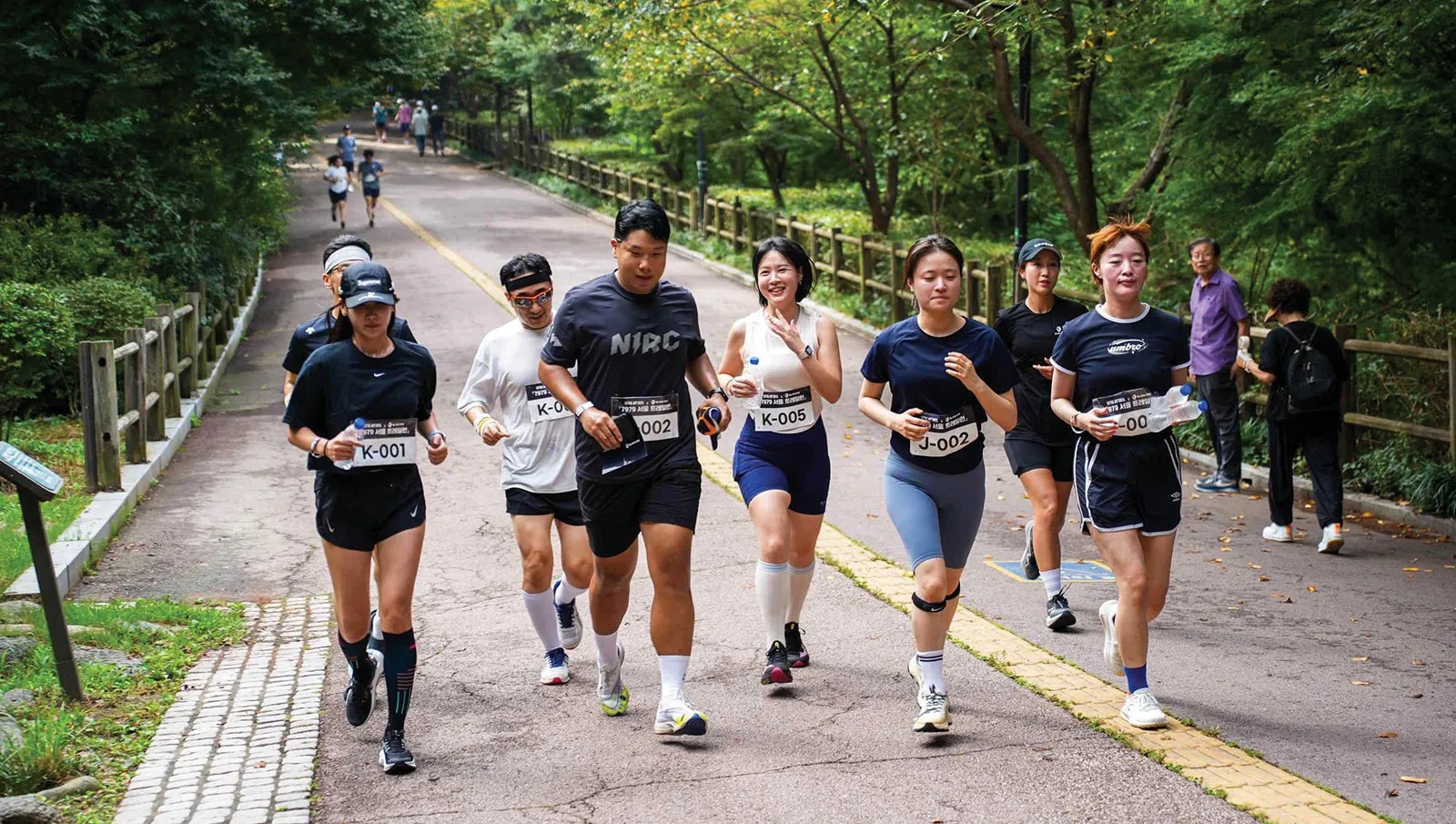
The 7979 Seoul Running Crew runs through Seoul’s landmarks. As recreational running gains popularity, various running crews have emerged—this one is operated directly by the Seoul Metropolitan Government. © Seoul Metropolitan City.
From Watching to Doing
Korea’s sports wave has moved well beyond the stadium and into daily life. The baseball boom has triggered an amateur league explosion—booking a weekend diamond has become nearly impossible. Tennis, golf and a years-long running crew trend have become defining lifestyle markers for younger Koreans.
Rising health consciousness and a declining drinking culture have transformed sports from spectator entertainment into a full-blown cultural phenomenon. Elite and recreational sports now reinforce each other in a virtuous cycle that has the sportswear and equipment industries booming as well. After K-pop, K-drama and K-food, K-sports is now showing real potential as a global cultural phenomenon.
Once you experience K-sports, you won’t forget it. Now it’s your turn to become part of that passion.
Writer. Han Sung-yun
Han joined KBS in 1997 as a sports reporter. He received a commendation from the Minister of Culture, Sports and Tourism in 2017 and won the SoKang Sports Journalism Award in 2019. He has authored multiple books on sports culture.
