


The Aesthetic Synergy of
Korean Beauty and Style
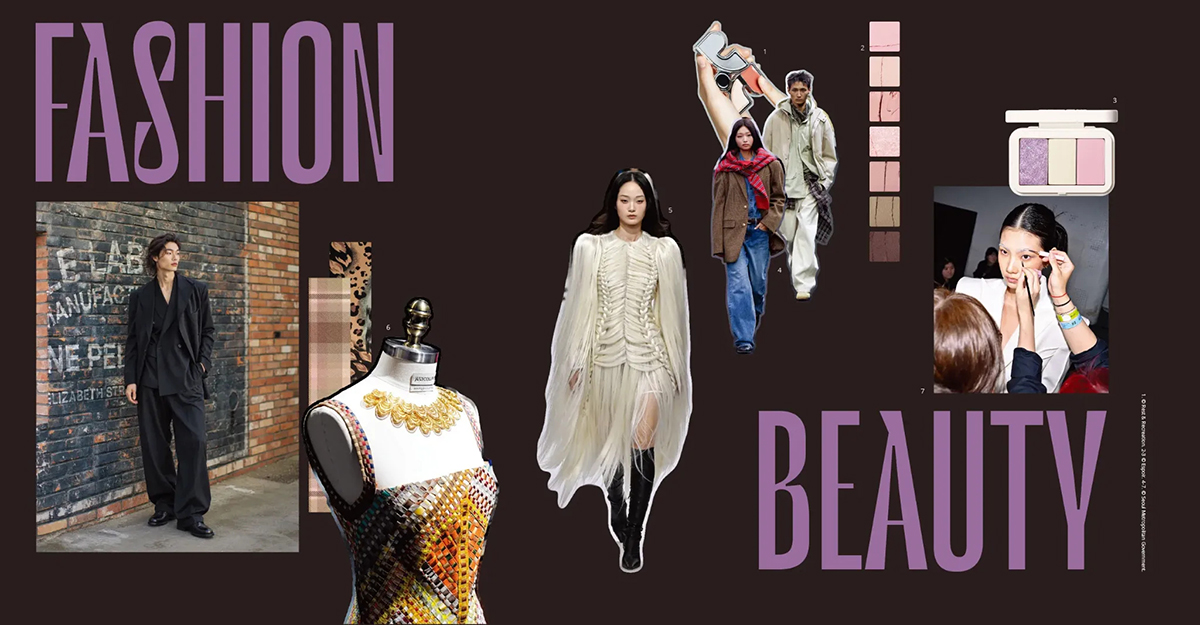
This past August, a vibrant slice of Seoul came to life in Los Angeles, recreating the city’s iconic streetscape for a three-day celebration of style. As over 100,000 visitors strolled past replica bus stops and illuminated Hangeul (Korean alphabet) signage, they discovered an experience that extended far beyond cosmetics. Beyond the latest skincare innovations and makeup trends, the festival offered a captivating glimpse into the underlying philosophy of Korean self-care. This article takes a closer look at Koreans’ cultural approach to beauty and style that continues to fascinate and inspire audiences around the globe.
Cover Story
Writer Alex Suh
From Passing Fad to Signature Aesthetic
The K-beauty festival—called OLIVE YOUNG FESTA LA 2026—was held alongside KCON LA, with 55 brands taking part. Perhaps surprisingly, the biggest draws were not seen at particular products. Instead, most people lined up at booths for personal color consultations to learn which shades suited them best and for skin analyses recommending tailored skin care regimens. In the middle of the venue stood a veritable recreation of an OLIVE YOUNG outlet from Seoul. It was less about displaying products than demonstrating a method.
After K-pop and K-dramas paved the way for the spread of Korean culture, the first Korean beauty products to reach global audiences were sheet masks, cushion compacts and the like. Where international consumers once bought sheet masks to imitate the celebrities seen in dramas, they have now grown curious about how ordinary Koreans take care of themselves. Western makeup excels at evening skin tone and redefining facial contours. Western fashion, too, makes its presence felt through stark silhouettes and bold colors. But Korean beauty and fashion begin with a different question. Rather than asking, “How do I want to look?” they ask, “What suits me?” K-style, then, is the art not of reinvention but of refinement. Three principles underpin this approach.
-
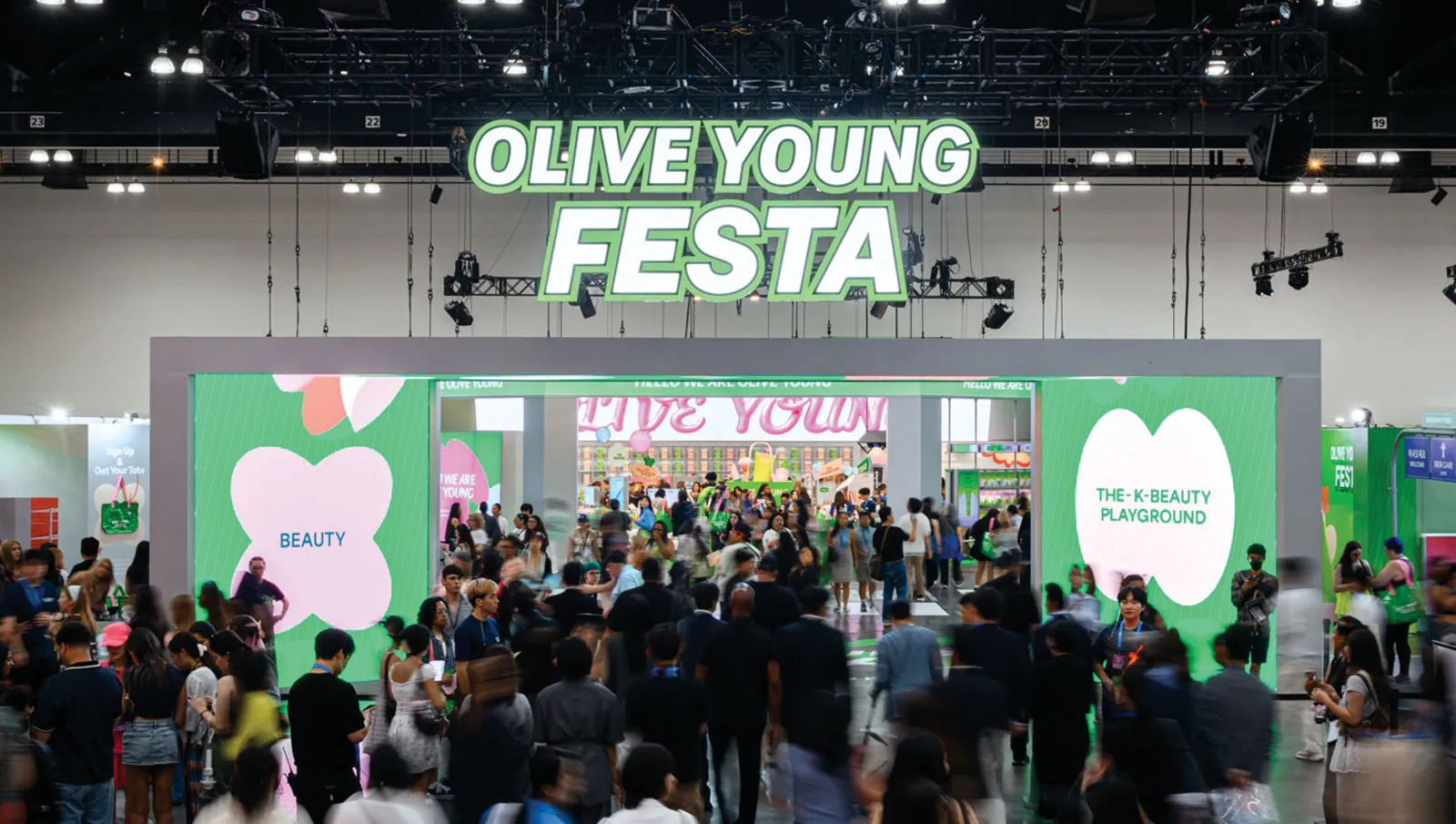
OLIVE YOUNG FESTA LA 2026 © CJ NEWSROOM.
-
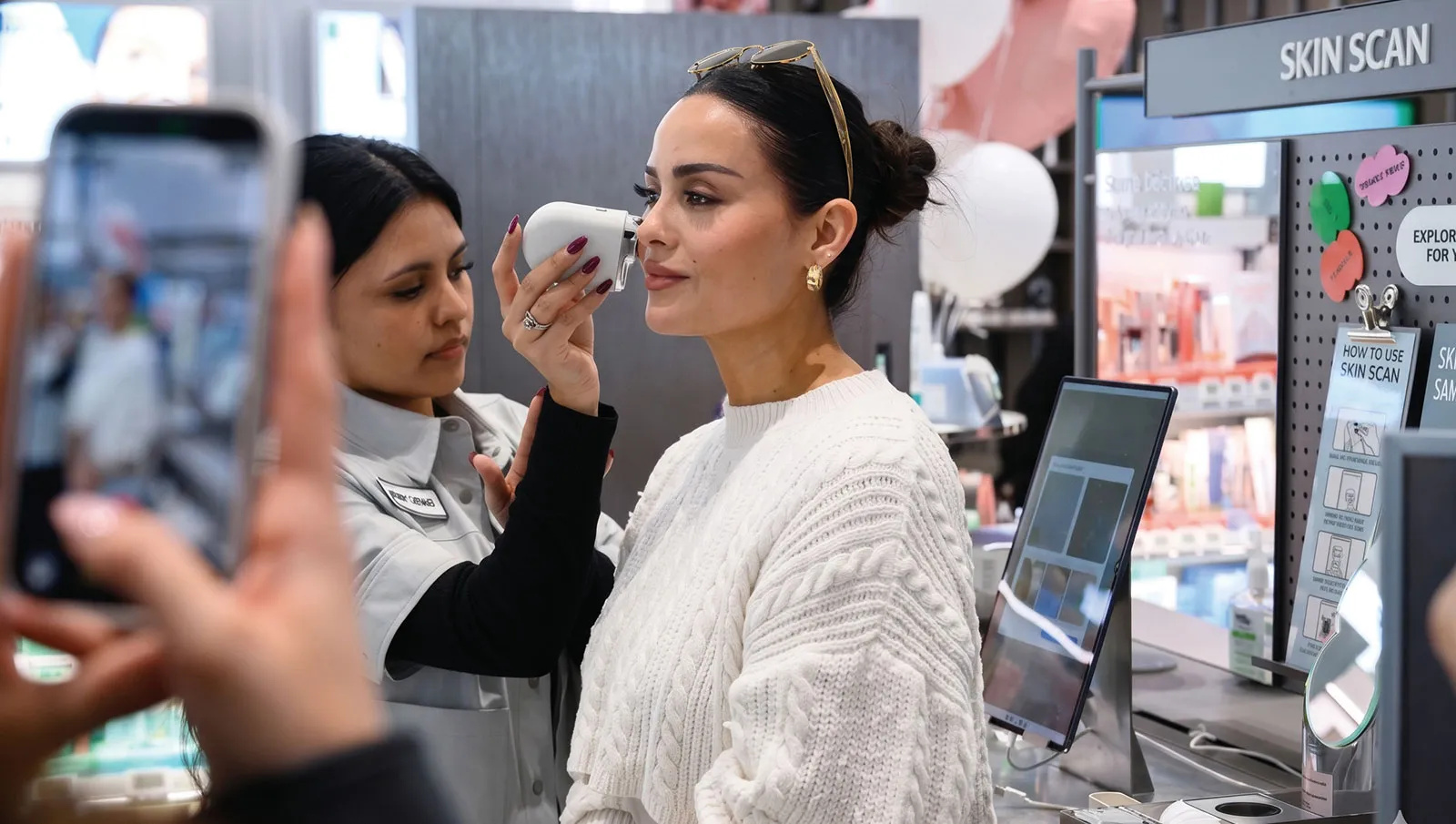
The “Skin Scan” experience at OLIVE YOUNG’s first U.S. store, which opened in Pasadena, California, in May 2026. © CJ NEWSROOM.
The Principles of K-beauty and K-fashion
Principle #1. Cultivate a Natural Look
There is an intriguing paradox at work here. According to OpenSurvey’s “Beauty Trend Report 2023,” the average Korean woman uses about six skincare products, compared with roughly three or four in the United States and Japan. Yet despite using nearly twice as many products, Korean consumers ultimately want their face to look like nothing has been applied to it. Koreans call this kkuankku—basically, the “no-makeup makeup” look. The ideal of K-beauty is sokgwang, a complexion that seems to glow from within. Hence the daily layering of toner, serum and sunscreen rather than reliance on heavy foundation.
Fashion is oriented in much the same direction. The streets of Seoul’s Seongsu-dong and Hannam-dong neighborhoods—the favorite haunts of Korea’s fashion-forward crowd—are less flamboyant than Tokyo’s Shinjuku or New York’s Times Square. Coordinated tones and understated silhouettes are all the rage. It is telling, too, that one of the go-to brands for Korea’s younger consumers is not a daring designer label but Musinsa Standard, which specializes in wardrobe essentials. Underlying this sensibility is a preference for being tasteful, rather than ostentatious. It also helps explain the recent enthusiasm for “slow aging.” Rather than seeking treatments to remove wrinkles, the focus has shifted toward everyday habits that slow the aging process. The guiding belief is that good health represents style at its finest.
Principle #2. Assess Yourself Accurately
If style in the West is about “being” yourself, in Korea it begins with “knowing” yourself. And the most common tool for doing that is personal color analysis. The colors of a person’s skin, hair and eyes are classified into warm or cool tones and then subdivided into four seasonal palettes. Terms such as “cool summer” have long since entered everyday vocabulary. Knowing your “season” can impact your choice of colors in everything from lipstick to knitwear. Many international visitors now travel to Seoul specifically for these consultations.
But personal color is not the only thing to analyze. Body shape analysis identifies flattering clothing contours based on bone structure and musculature. The ingredient-analysis app Hwahae helps users distinguish beneficial cosmetic ingredients from those that are best avoided. Reviews on online fashion platforms routinely include buyers’ heights and weights. All these tools serve the same purpose: finding the shades and fits that suit you just as you are. In a sense, they allow everyone to become the designer of their own personal style.
Principle #3. Document and Share Your Routine
These first two principles are made possible by the habit of keeping records. Many people document everything from their morning and evening skin care routines to their daily outfits. Video platforms are awash with clips focusing less on the finished look than on the steps taken to achieve it. Online stores sometimes display tens of thousands of reviews for a single product.
But these records function as more than a personal diary. Candid reviews—along the lines of “My skin is dry but also oily” and “It gets rid of dead skin, but leaves my skin feeling too tight”—give beauty brands clues about where to go next. A case study by the Harvard Business School found that OLIVE YOUNG jointly develops roughly 20% of its products with brands carried at its retail outlets. Users’ reviews become the blueprints for new products, which then find their way back into those same users’ daily lives. If “before and after” is the catchphrase of Western beauty, K-style valorizes the “routine.” This is the story not of a dramatic transformation, but a slow-but-steady process, and many authors have a hand in the telling of this tale.
-
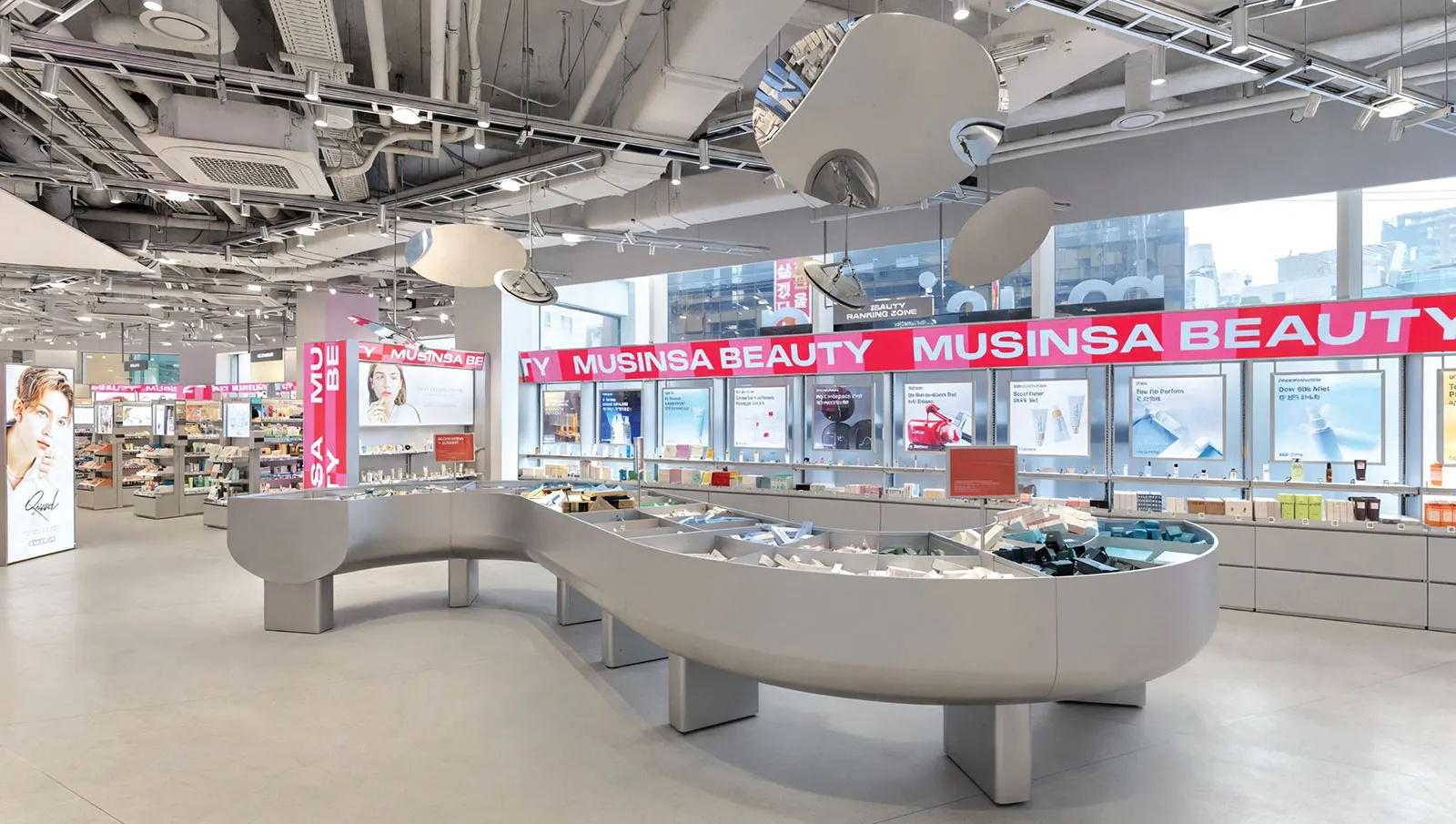
The Musinsa Beauty store inside Musinsa Mega Store in Seongsu-dong, Seongdong-gu District, Seoul © MUSINSA.
-
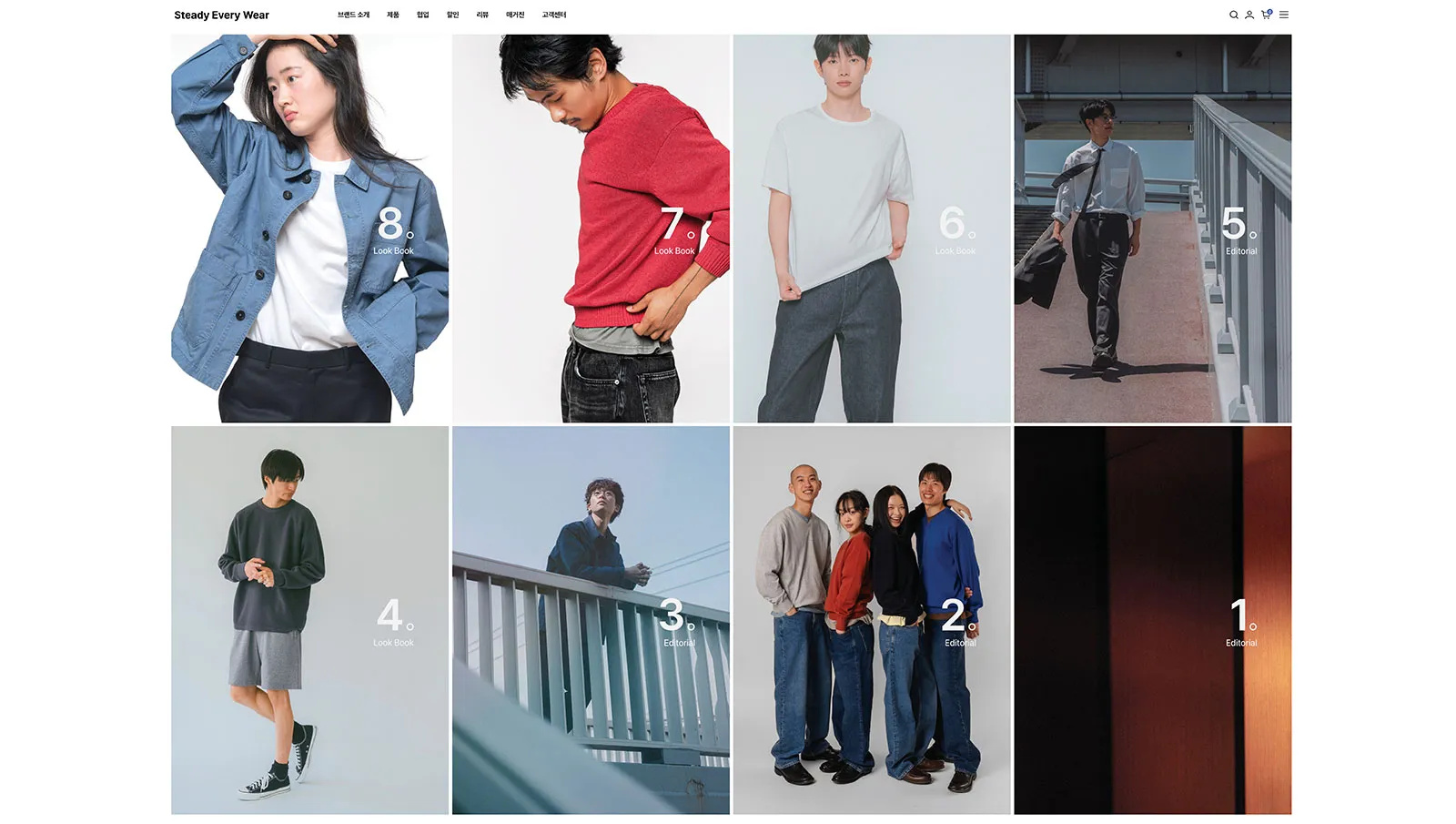
Steady Every Wear, a Korean fashion brand known for comfortable, easy-to-wear everyday clothing © Steady Every Wear.
-
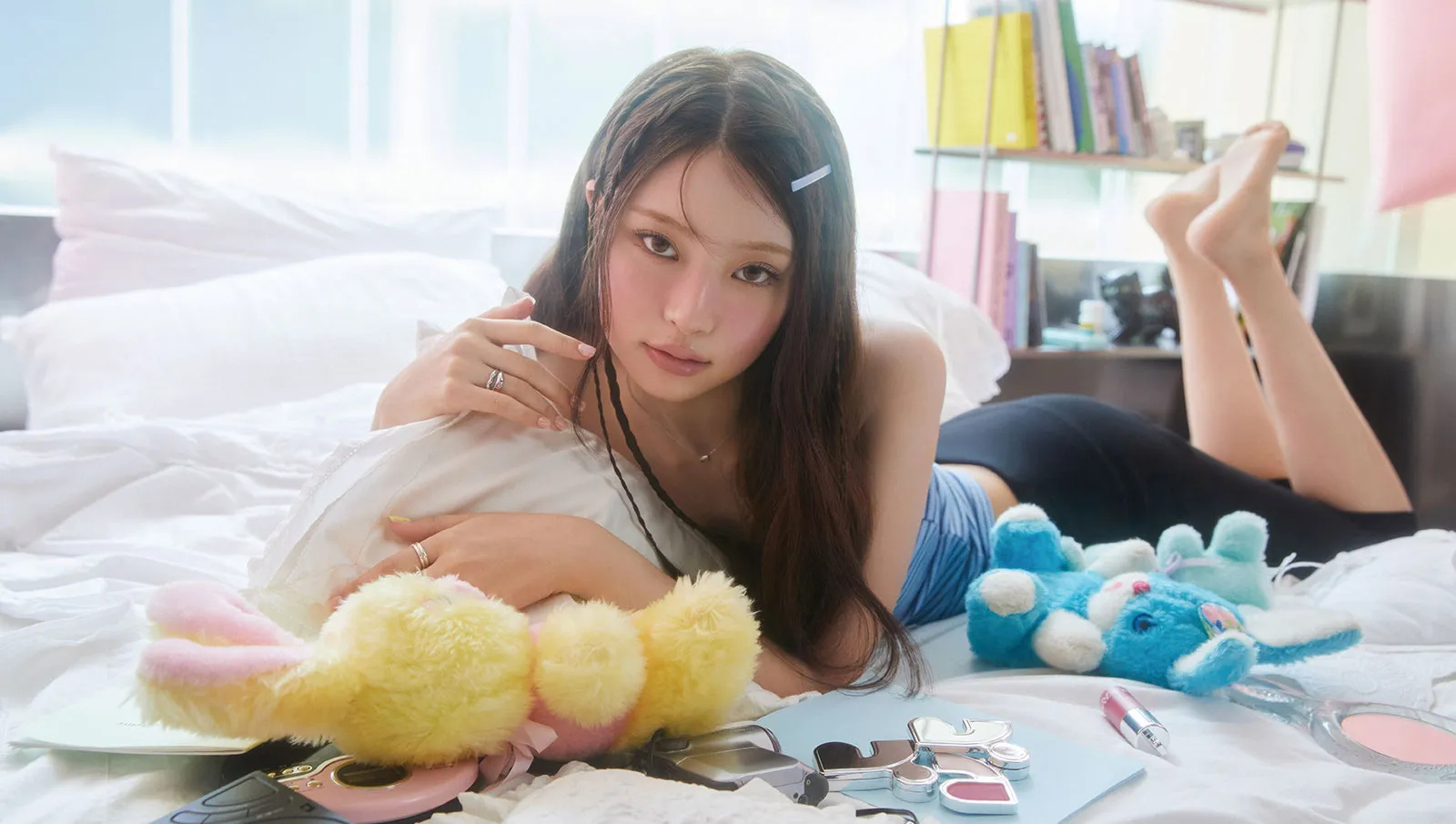
A beauty campaign shoot for RR BEAUTY, a brand that celebrates bold, playful self-expression © Rest & Recreation.
-
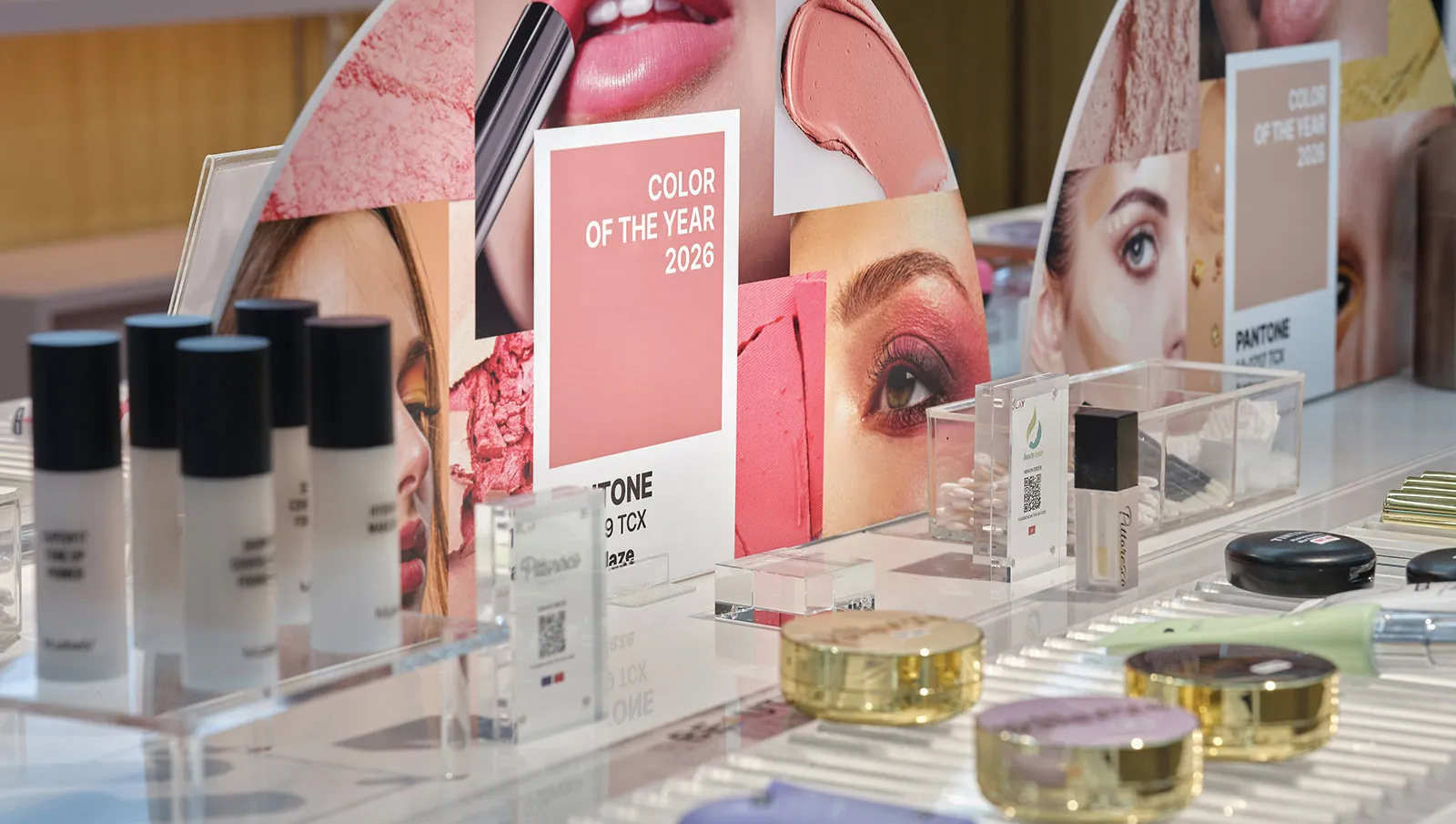
Korea is dotted with multi-brand beauty shops that bring together a wide selection of cosmetics brands.
-
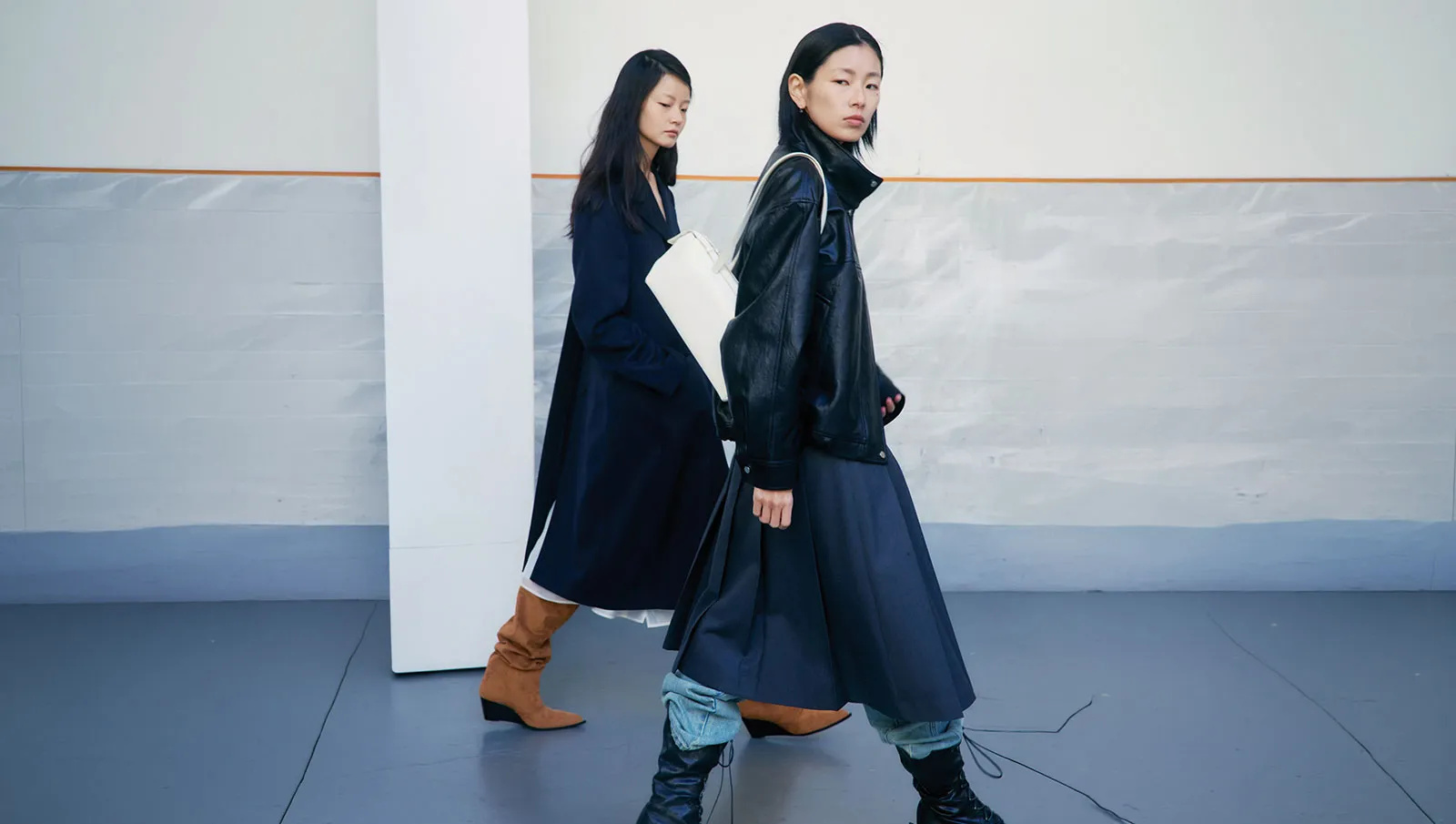
KUHO PLUS’s Spring 2025 Collection © SAMSUNG C&T NEWSROOM.
-
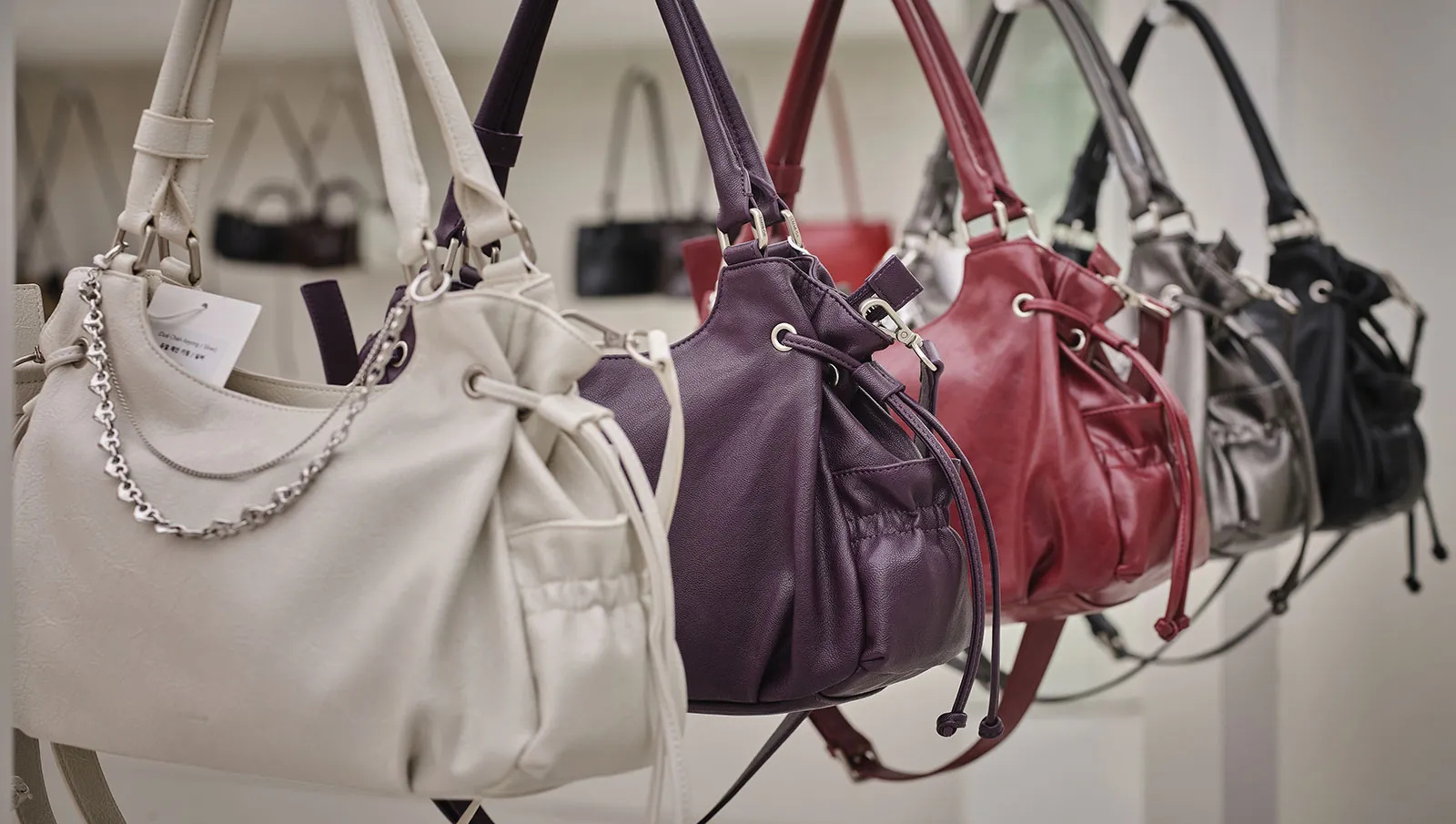
Products from Stand Oil, a Korean fashion brand known for bags and shoes with a chic, minimalist aesthetic
K-style as a Global Lifestyle
K-style’s current direction can already be seen in the overseas ventures Korean retailers have launched since this summer. THE HYUNDAI, Hyundai Department Store’s first overseas flagship store, opened in Tokyo in July. Within two weeks of its opening, the number of visitors in their 20s and 30s to the shopping complex where it is located had increased more than fivefold. Every weekend, lines form before the doors open. In August, Musinsa launched a pop-up in Harajuku inspired by Seoul’s Seongsu-dong neighborhood. Following a similar initiative in New York, Shinsegae Department Store brought District Seoul to Shibuya in October. What all these events have in common is that they are exporting not simply Korean products, but the experience of shopping in Seoul itself.
But stores are hardly the only things crossing borders. At OLIVE YOUNG’s Seongsu-dong branch, roughly 70% of users of its beauty experience services are from abroad. Travelers take the habits they learn in Seoul back home with them. Before long, such services may well become commonplace in cities throughout the world. There is a downside, of course. Such attention to detail, while undoubtedly exacting, can be exhausting. The next evolution of K-style will likely involve a shift toward rest and relaxation. One sign is the growing prominence of “recovery” alongside “care” in the discourse on beauty.
What Korean beauty and fashion have brought to the world is not a particular approach to makeup or outfits. Rather, it is a different way of treating oneself. Touch up, rather than cover up; redesign, rather than redefine. That is the grammar of K-style.
-
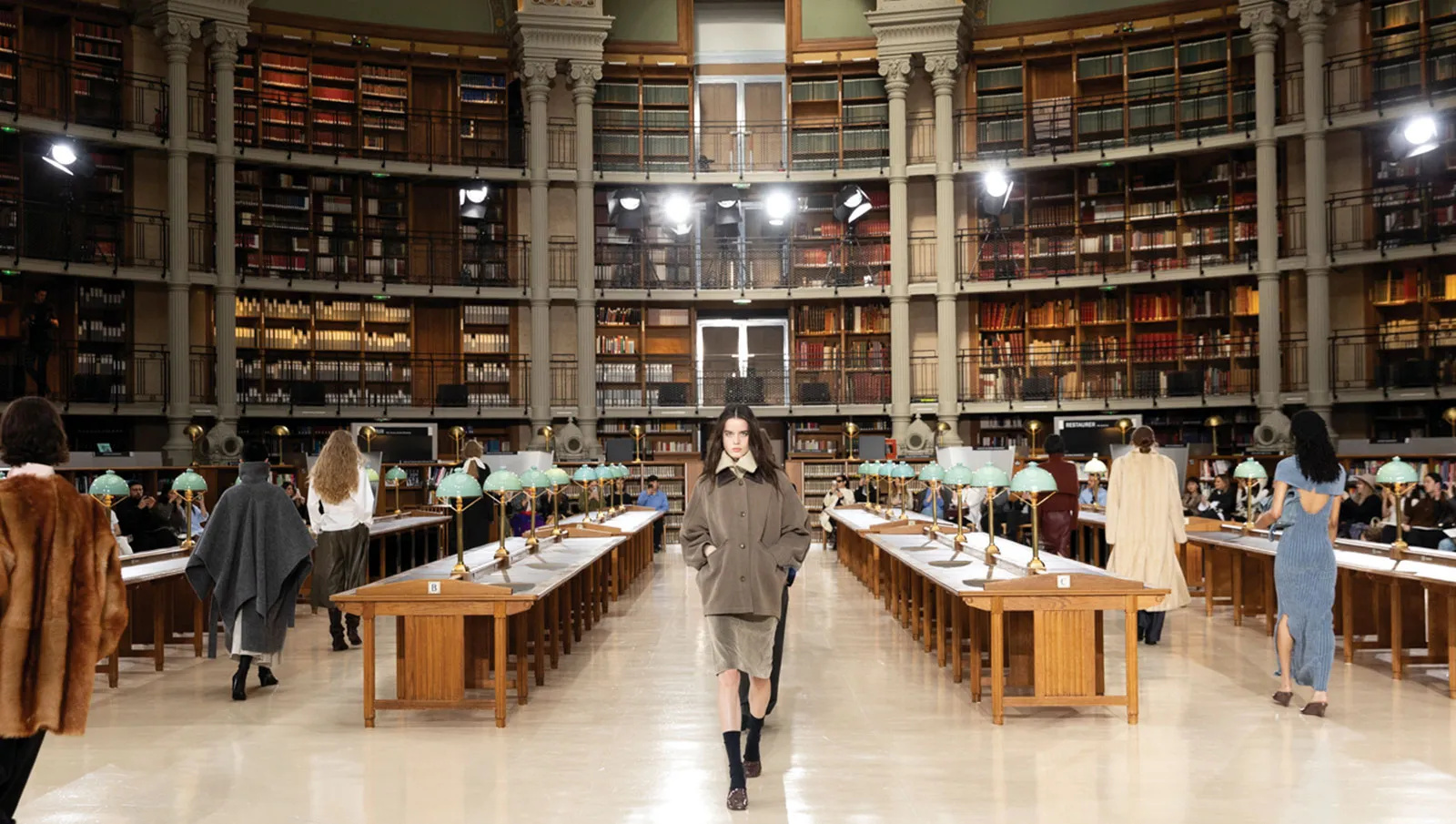
TIME, the flagship label of fashion company Handsome, became the first Korean ready-to-wear brand on the official Paris Women’s Fashion Week calendar in 2026.
© HYUNDAI DEPARTMENT STORE GROUP. -
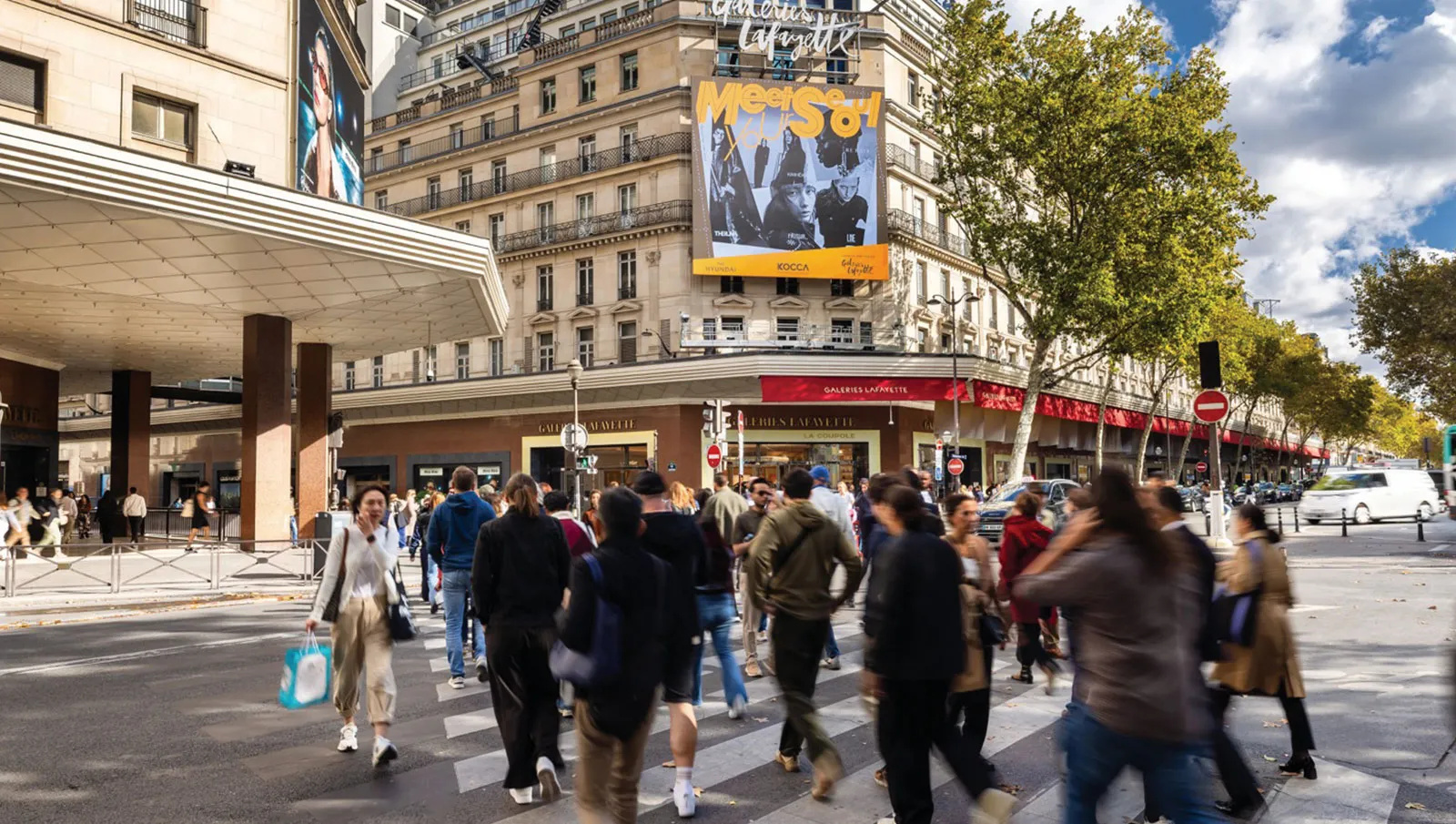
An advertising visual for the K-fashion pop-up store “Meet Your Seoul,” co-organized by the Korea Creative Content Agency (KOCCA) and Hyundai Department Store, is displayed on the facade of Galeries Lafayette Haussmann, Paris, France. © HYUNDAI DEPARTMENT STORE GROUP.
Writer Alex Suh
Alex Suh researches consumer culture in Korea and the wider world. A co-author of the “Trend Korea” series and books on K-beauty trends, Suh has worked on consumer insight projects with such companies as Samsung Electronics, Amorepacific and LG Electronics.
