


Korea’s Hospitality Today, Read Through Global Trends
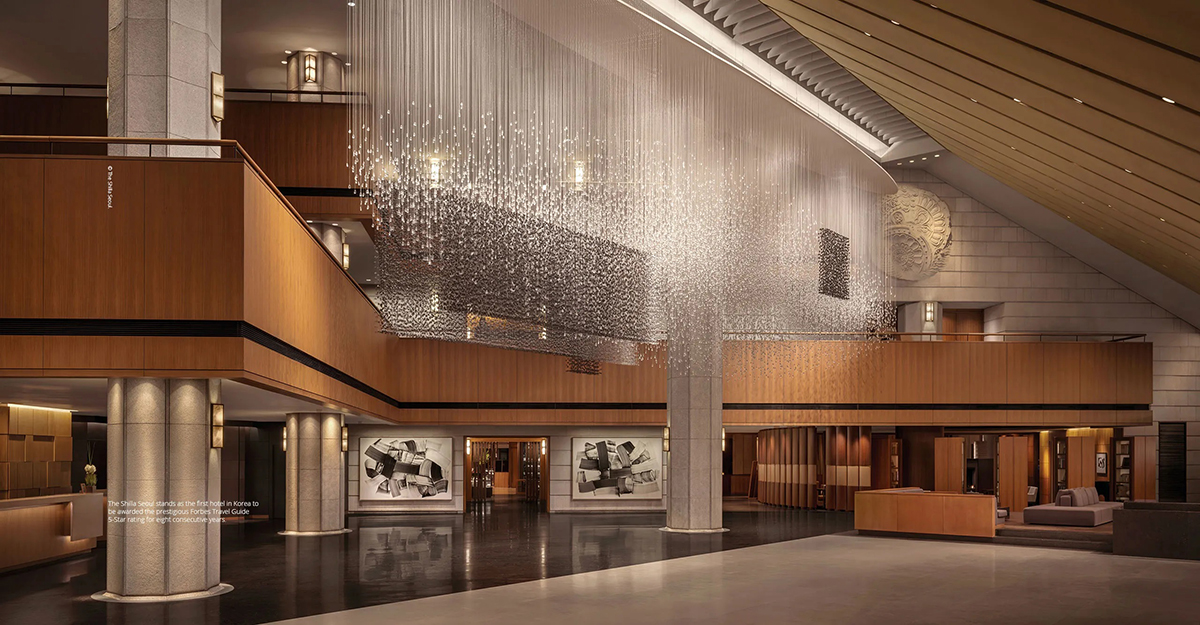
Travel is no longer just about visiting famous sights. Today’s travelers choose where to stay in order to experience a city’s everyday life, understand how its people live and carve out time that feels like their own. This shift is a common thread running through the hospitality industry worldwide, but in Korea it has taken on a somewhat different shape. Korean accommodations have become more than spaces for travelers—they’ve become the platforms where new lifestyles and cultures are tested and consumed first. That’s why understanding Korean hotels today means understanding Korean life and urban culture as well.
Cover Story
Writer Seo HyunJin
Korea’s Lodging Market: The Fastest to Absorb Global Trends
The global hospitality industry is now at a turning point. As travel demand has rebounded quickly since the pandemic, tourism has shifted its focus from sheer volume of growth toward the quality of travel, connections to local communities, sustainability and personalized service powered by digital technology.
Korea stands on that same wave. Inbound tourist numbers are recovering fast and Hallyu (Korean Wave) content—K-pop, K-dramas and K-food—is turning Korea from “a country people want to see” into “a country people want to live in,” if only for a while. Travelers today want more than Seoul’s glittering skyline; they want the small café down a side alley, a traditional village in the countryside or a local hotel in a coastal town.
This shift shows up directly in the hotel industry. Major global hotel brands are entering the Korean market one after another, while existing hotels are moving beyond competing on rooms alone and evolving into lifestyle hotels that blend fine dining, wellness, design, art and local content. Today, Korean hotels are less part of the “lodging business” than the “experience industry.”
But here’s where things get interesting: while this global trend looks broadly similar across most countries, in Korea it manifests in its own nuanced, distinctive way.
-
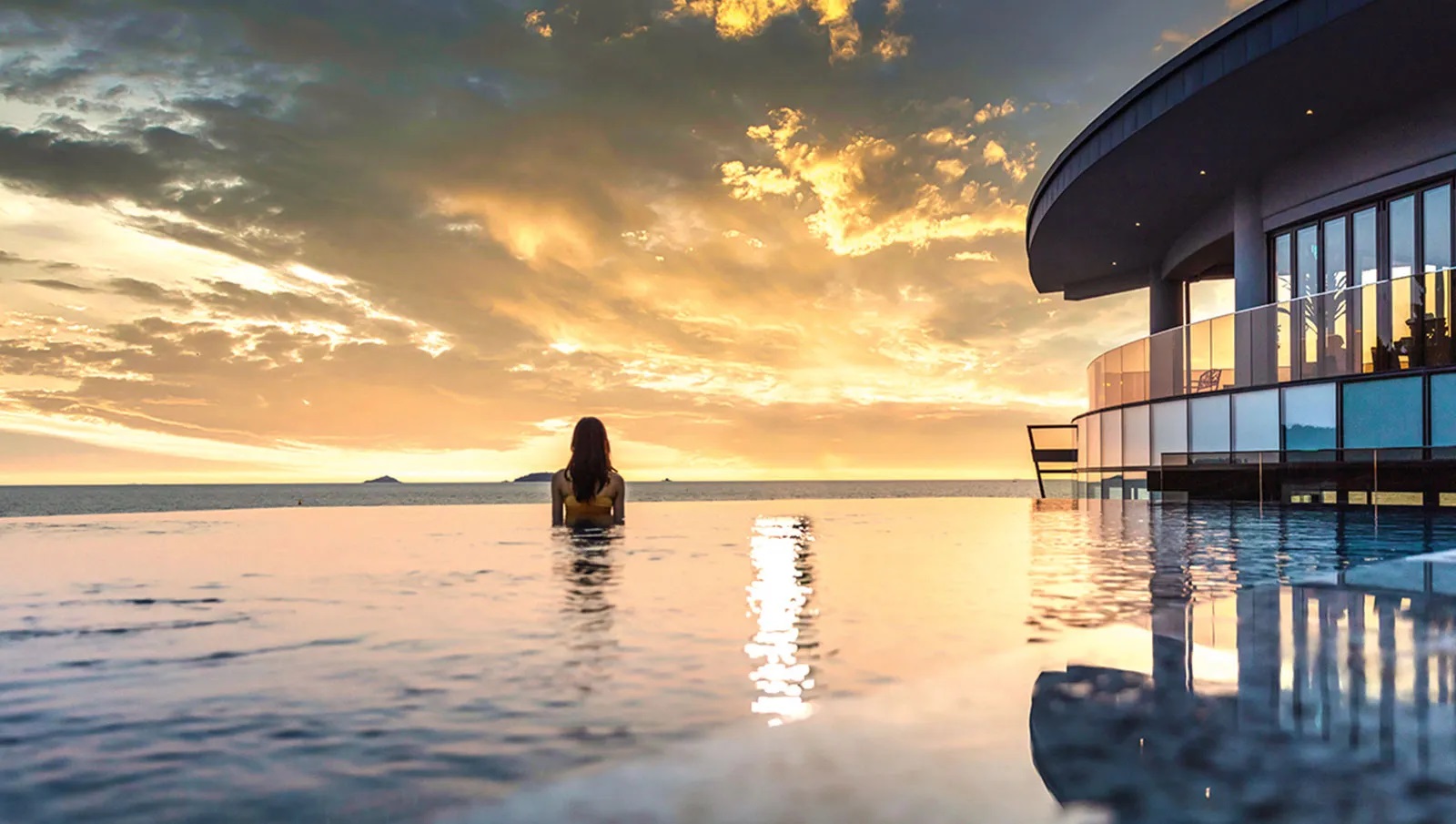
The outdoor infinity pool at “Island Resom” in Taean-gun County, Chungcheongnam-do Province, overlooks Kkotji Beach, a setting often associated with hocance. © Korea Tourism Organization.
-
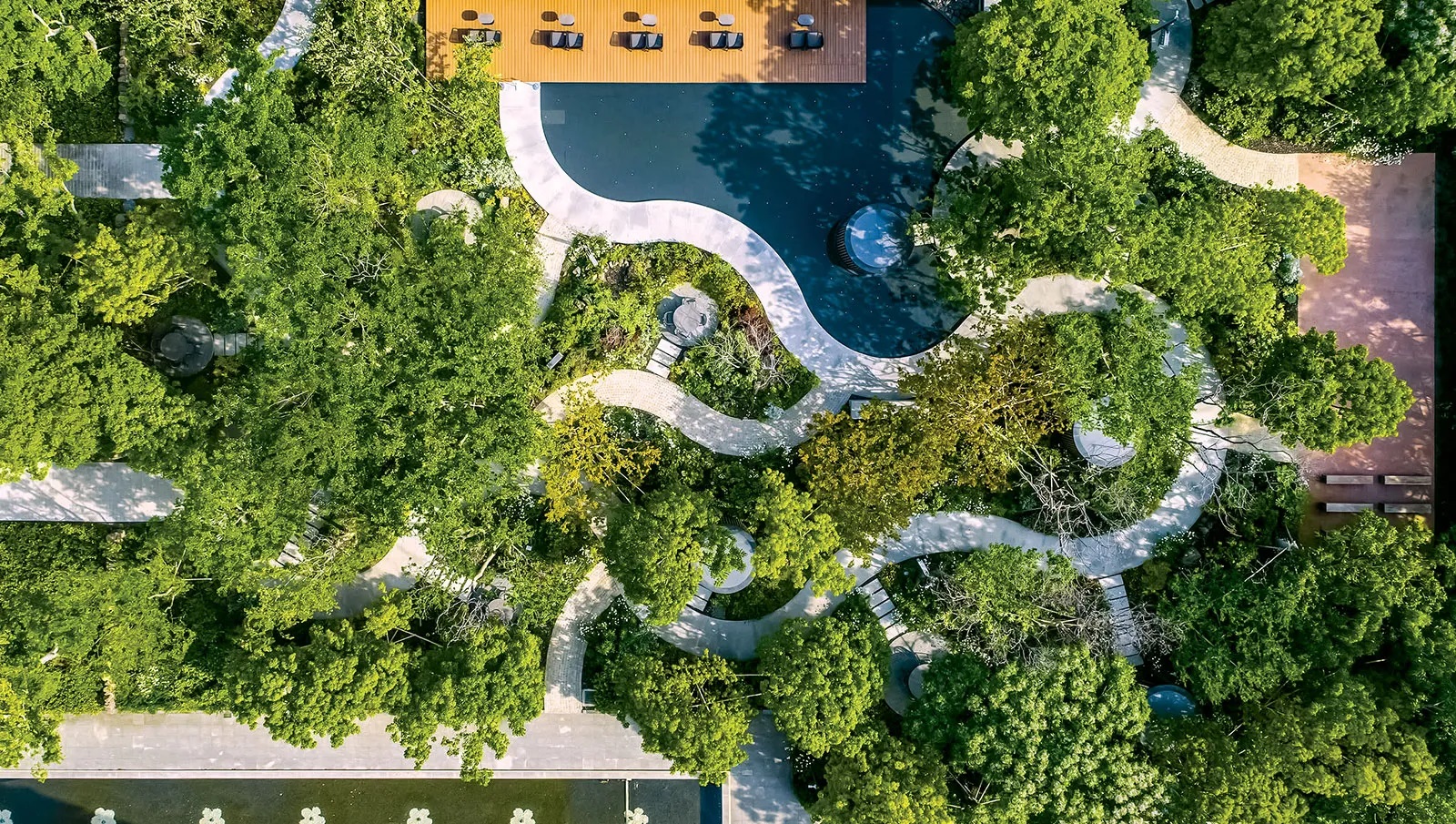
Inspired by Jeju Island’s native primeval forest, Lotte Hotel Jeju’s garden is the first in domestic hotel landscaping to win a Red Dot Design Award 2024 in Garden & Park Architecture. © Lotte Hotel Jeju.
-
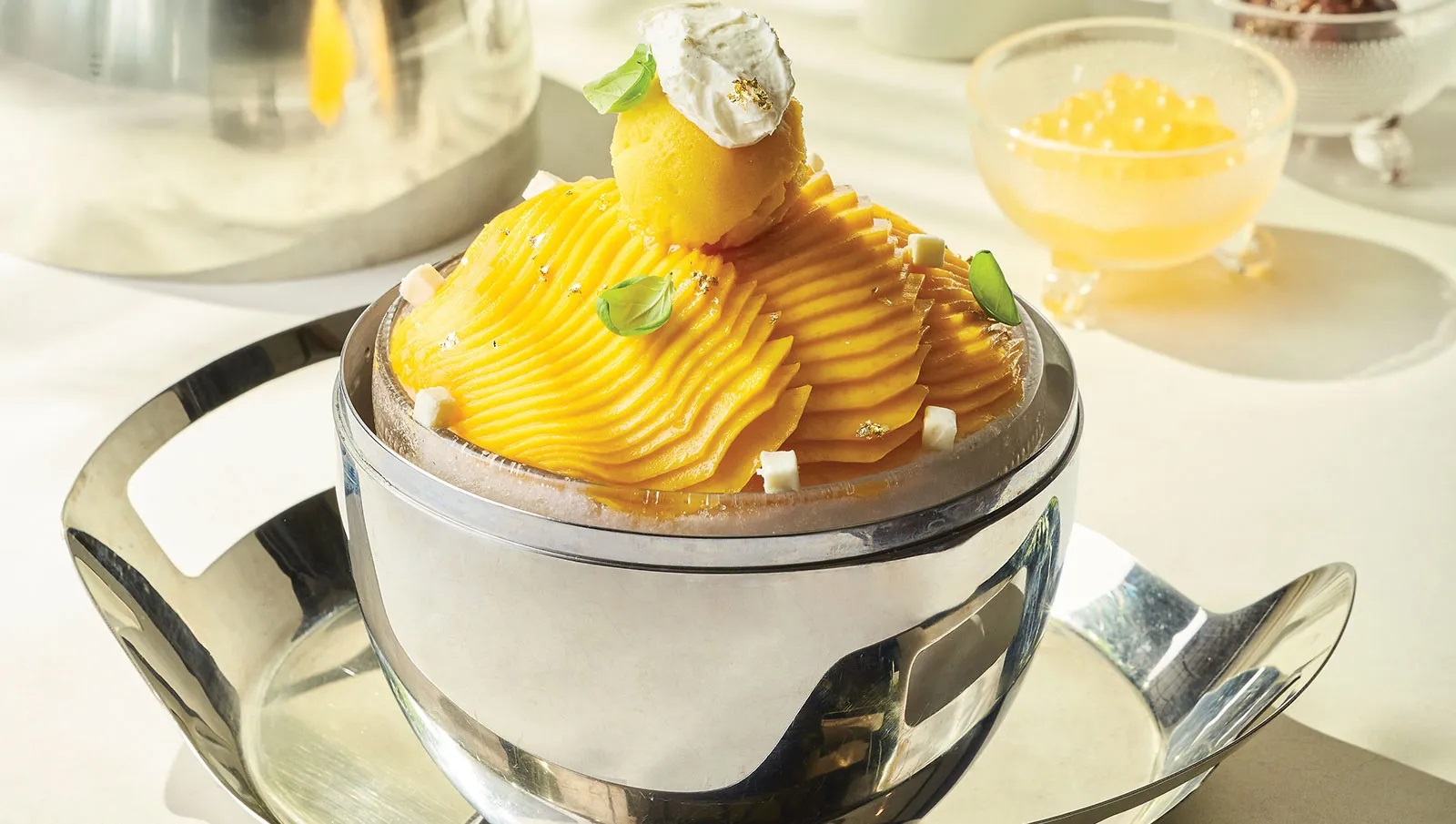
Korean hotels present inventive desserts every season. Pictured is the signature summer “Mango Bingsu (Shaved Ice) Secret” at Sofitel Ambassador Seoul. © Sofitel Ambassador Seoul.
-
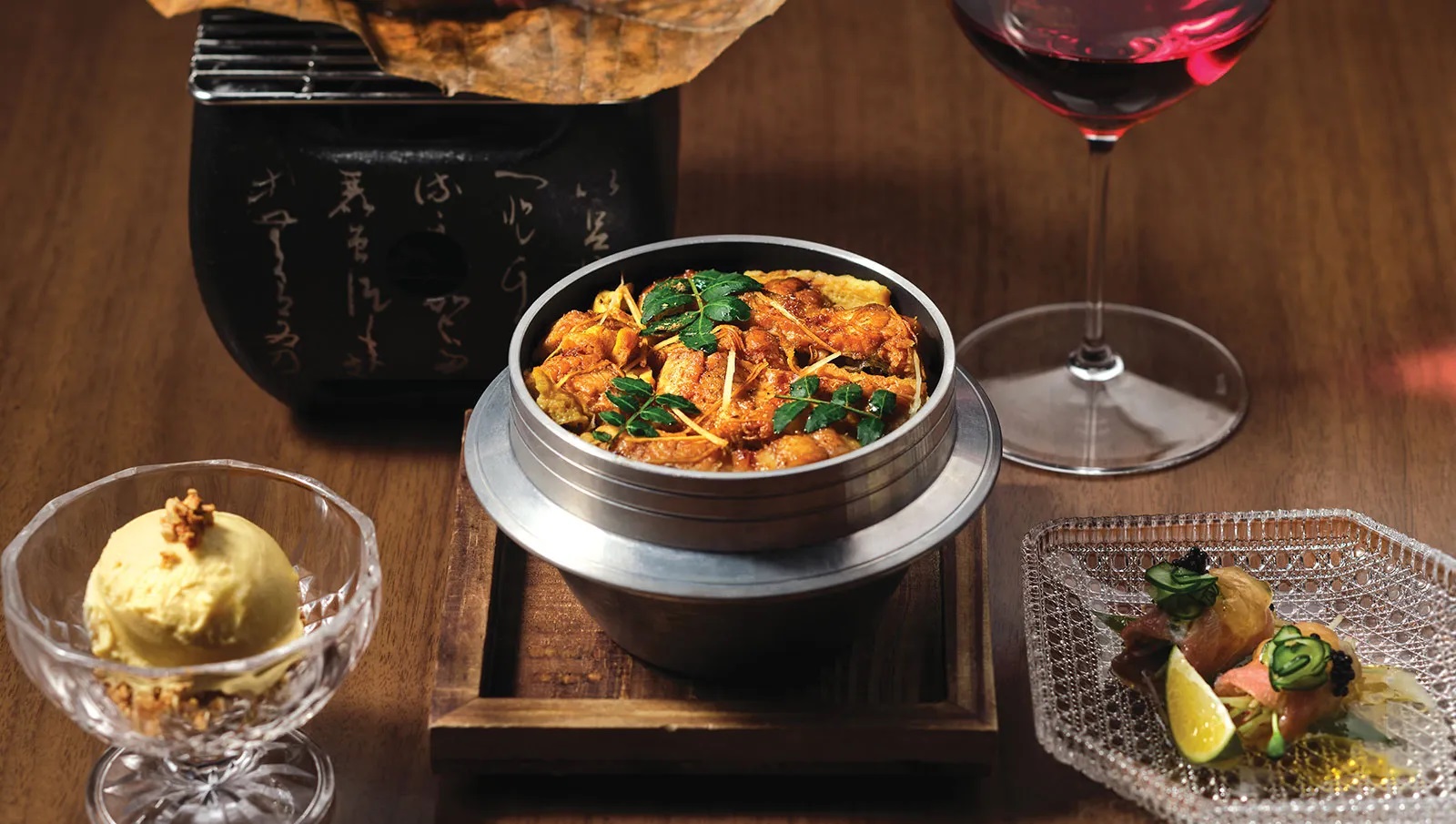
Korean hotels feature special courses made with seasonal specialties. Pictured is a premium summer nourishing course at The Timber House, Park Hyatt Seoul. © Park Hyatt Seoul.
From Hocance to Choncance:
The Unique Landscape of Korea’s Lodging Market
1) A Hotel Isn’t Somewhere You Sleep, It’s Somewhere You Spend the Day
One of the scenes international travelers find most striking when they arrive in Korea is the hotel lobby itself. People show up with cameras before check-in even opens; young guests line up for afternoon tea; families spend more time at the hotel bakery than at the pool. Come Christmas, the giant tree set up in a hotel lobby becomes a tourist attraction in its own right and seasonal desserts and afternoon tea sets spread quickly across social media. Not all of these people are travelers—plenty of them are local residents living in the very same city.
In Korea, this is called “hocance”—a blend of “hotel” and “vacance” (vacation)—and it has become such a defining piece of Korean lifestyle culture that even international journalists have written about it. However, describing it simply as “relaxing at a hotel” doesn’t fully capture the essence of this culture.
2) Koreans Check Into Hotels to Check Out of Daily Life
You don’t have to travel far for a different bed, a different view outside the window or a new restaurant, spa, exhibition or concert to feel like a real trip. In a country of dense cities and fast-paced daily life, the hotel has become the easiest way to reset the rhythm of everyday life. That’s why Korean hotels invest just as heavily in curated dining, rooftop bars and seasonal experiences as they do in the rooms themselves. In short, they function as platforms for urban culture, not just as lodges. This mirrors the broader shift toward lifestyle hotels seen abroad, but in Korea the pace of that change is unusually fast. When a new dessert brand launches, it collaborates with a hotel; when a popular character becomes a hit, hotels create room packages, and K-beauty brands and wellness programs frequently choose hotels as their prime launchpads. Hotels aren’t spaces that follow urban trends; rather, they are testbeds for new trends.
As a result, in Korea, the question “What did you experience at that hotel?” has become a more important measure of value than “Which hotel did you stay at?”
3) Tradition Becomes Today’s Lodging, Not a Museum Piece
Another hallmark of Korea’s lodging market is its ability to reinterpret the past as a lifestyle for the present. While European heritage hotels have developed by restoring old castles, monasteries and palaces into spaces where guests experience historical grandeur, Korea’s traditional lodging has evolved in a somewhat different direction. Hanok (traditional Korean house) stays aren’t only about admiring grand architecture—they turn everyday moments into the trip itself: sitting on heated ondol (an underfloor heating system) while drinking tea, walking through a courtyard to feel the changing season or strolling down a back alley. It’s less about the architecture and more about experiencing a way of life and a community’s collective memory. Hanok stays are also seen as having strong potential to grow into a creative-tourism model that brings together local culture and residents.
The recently trending “choncance” among younger Koreans—a blend of chon (the Korean word for countryside) and vacance (vacation)—follows the same logic. Rather than well-known attractions, travelers seek out small rural villages, staying in old guesthouses and local lodgings to experience the rhythms of farm life and consuming that experience as something fresh. This isn’t simple nostalgia. It’s a cultural craving for slow time and local authenticity amid fast-changing city life, expressed through where people choose to stay.
What’s interesting is how naturally this trend connects with K-culture. International travelers picture everyday Korean life through the Hanok, back alleys, traditional markets and neighborhood cafés they see on Korean dramas. Lodging is no longer just a base for sightseeing—it’s become a window into the closest possible experience of Korean daily life. At the same time, managing this popularity so it doesn’t collide with the lives of local residents has become just as important. Seoul’s Bukchon Hanok Village visitor-management policy is a case in point, showing that sustainable tourism has to be part of the conversation.
-
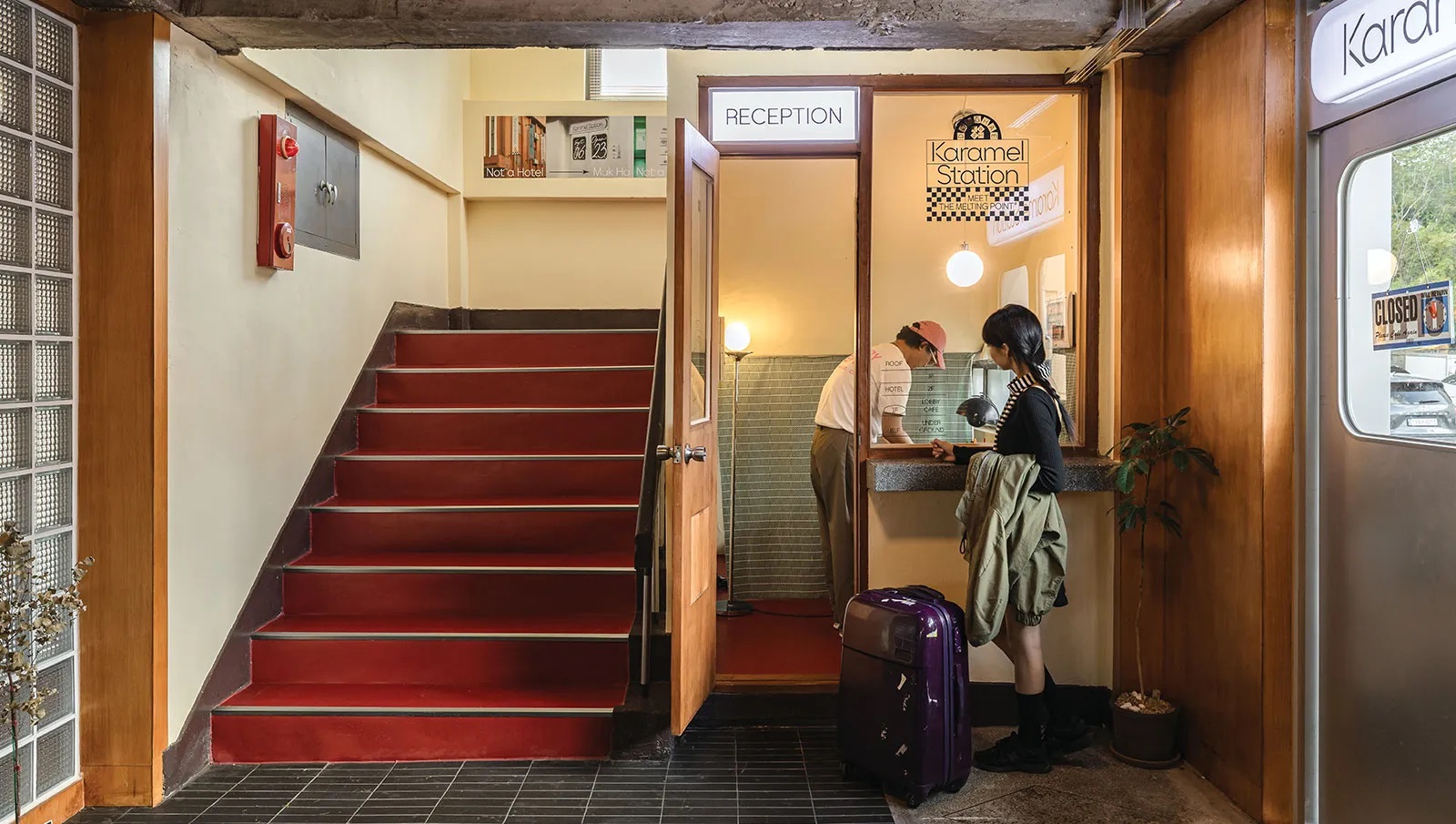
“Hotel Karamel” in Donghae, Gangwon State (Gangwon-do Province), transforms an old motel into a stylish local landmark through creative remodeling. © Hotel Karamel.
-
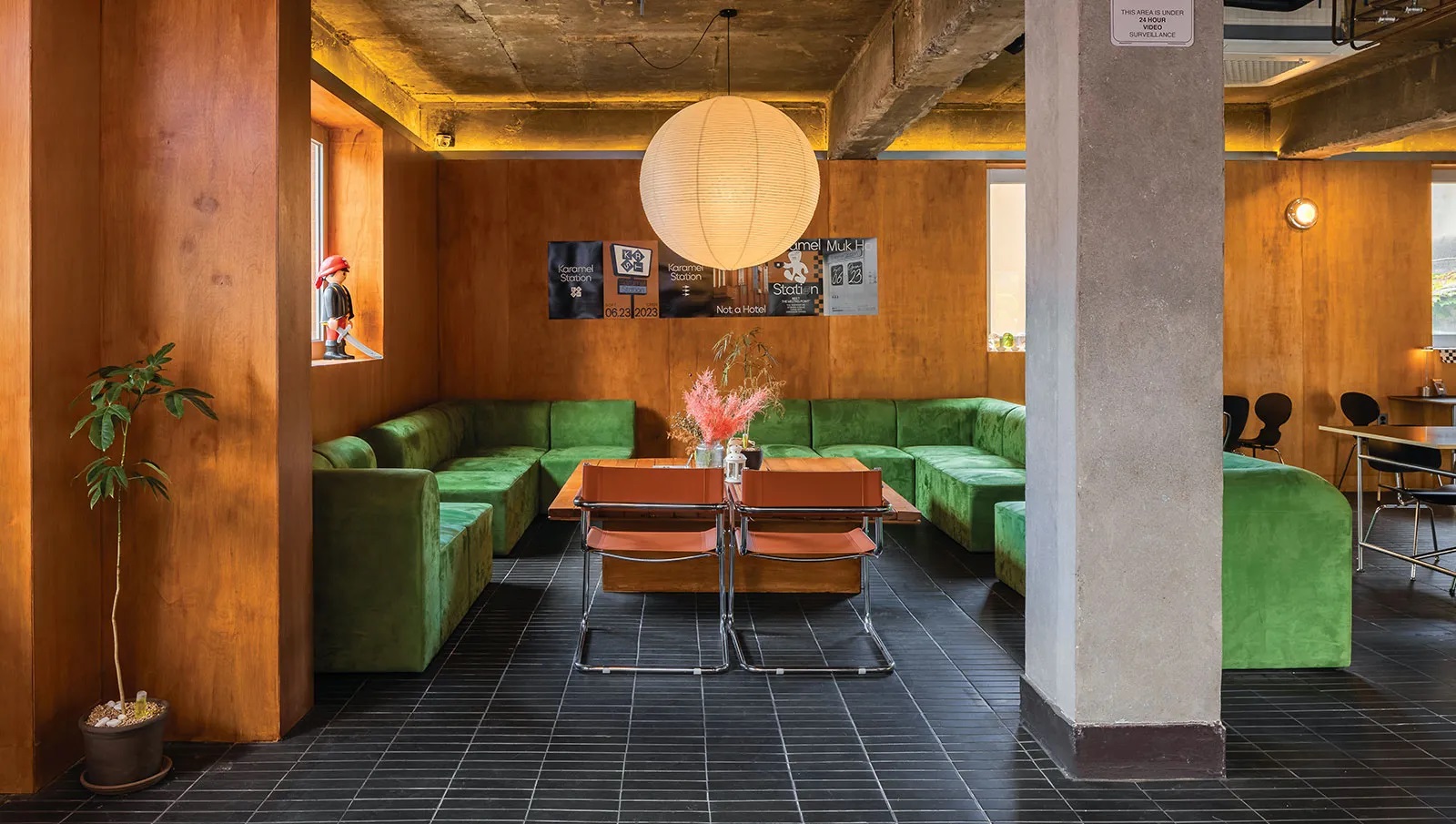
“Hotel Karamel” in Donghae, Gangwon State (Gangwon-do Province), transforms an old motel into a stylish local landmark through creative remodeling. © Hotel Karamel.
-
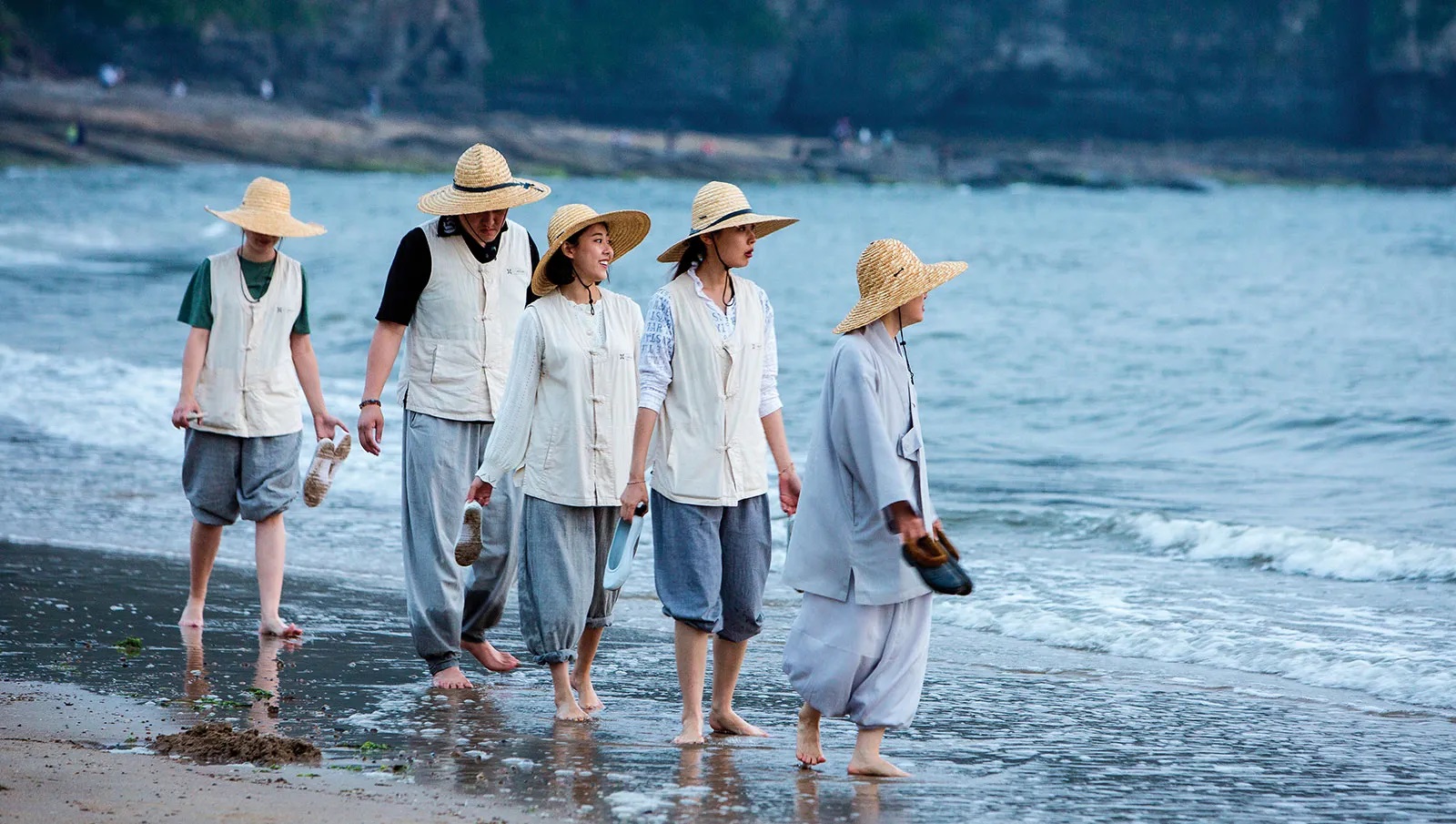
A temple stay is a cultural program that allows visitors to experience Korean Buddhist traditions by staying at a temple and taking part in activities such as meditation. © Cultural Corps of Korean Buddhism.
-
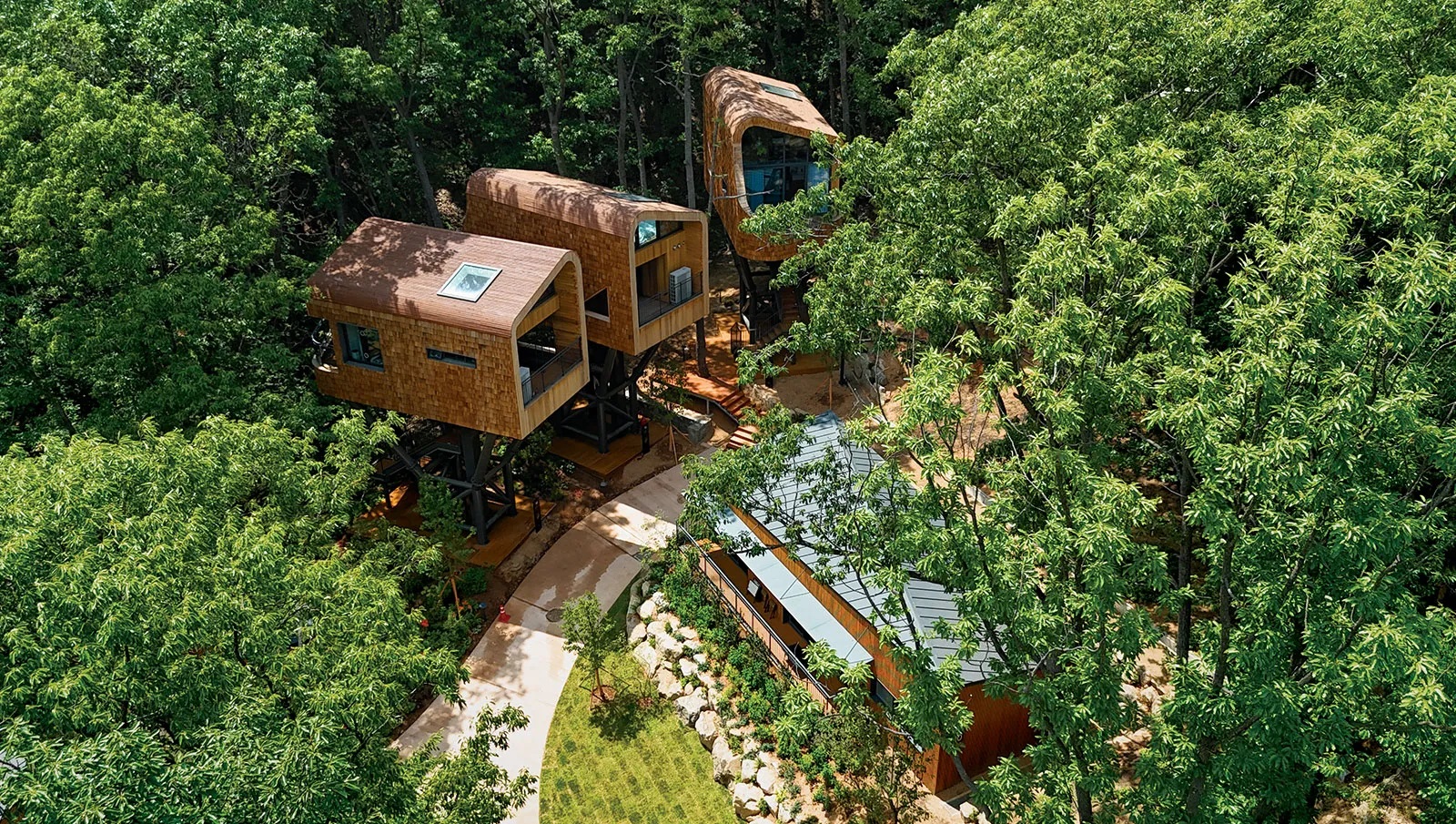
“Surak Hue,” an urban natural resort in Nowon-gu District, Seoul, created to let visitors fully immerse themselves in the forest ecosystem © SURAKSAN MOUNTAIN DONGMAKGOL NATURAL RECREATION FOREST.
Where Lodging Becomes the Destination
When planning a trip, it’s common in Korea for travelers to ask “Where should I stay?” before “Where should I go?” They seek out hotels with infinity pools overlooking the sea, enjoy the night skyline from a downtown rooftop bar or book a specific hotel just to try a chef’s seasonal tasting menu. The room is only one reason among many—the time spent at the property becomes the centerpiece of the trip itself.
Another notable shift is the growth of the so-called “living population”—people who reside in a place temporarily without being permanent residents. As remote work, workations and solo-travel culture (honjok) spread, lodging facilities have moved beyond being spaces reserved for special vacations and started functioning as everyday spaces where work and rest coexist. The culture of staying alone and carving out one’s own time likewise reflects a new lifestyle taking hold in Korean society.
In this way, Korea’s lodging industry is evolving beyond an industry built solely for travelers into a lifestyle platform that captures a city’s culture, consumption habits, ways of working and leisure all at once.
-
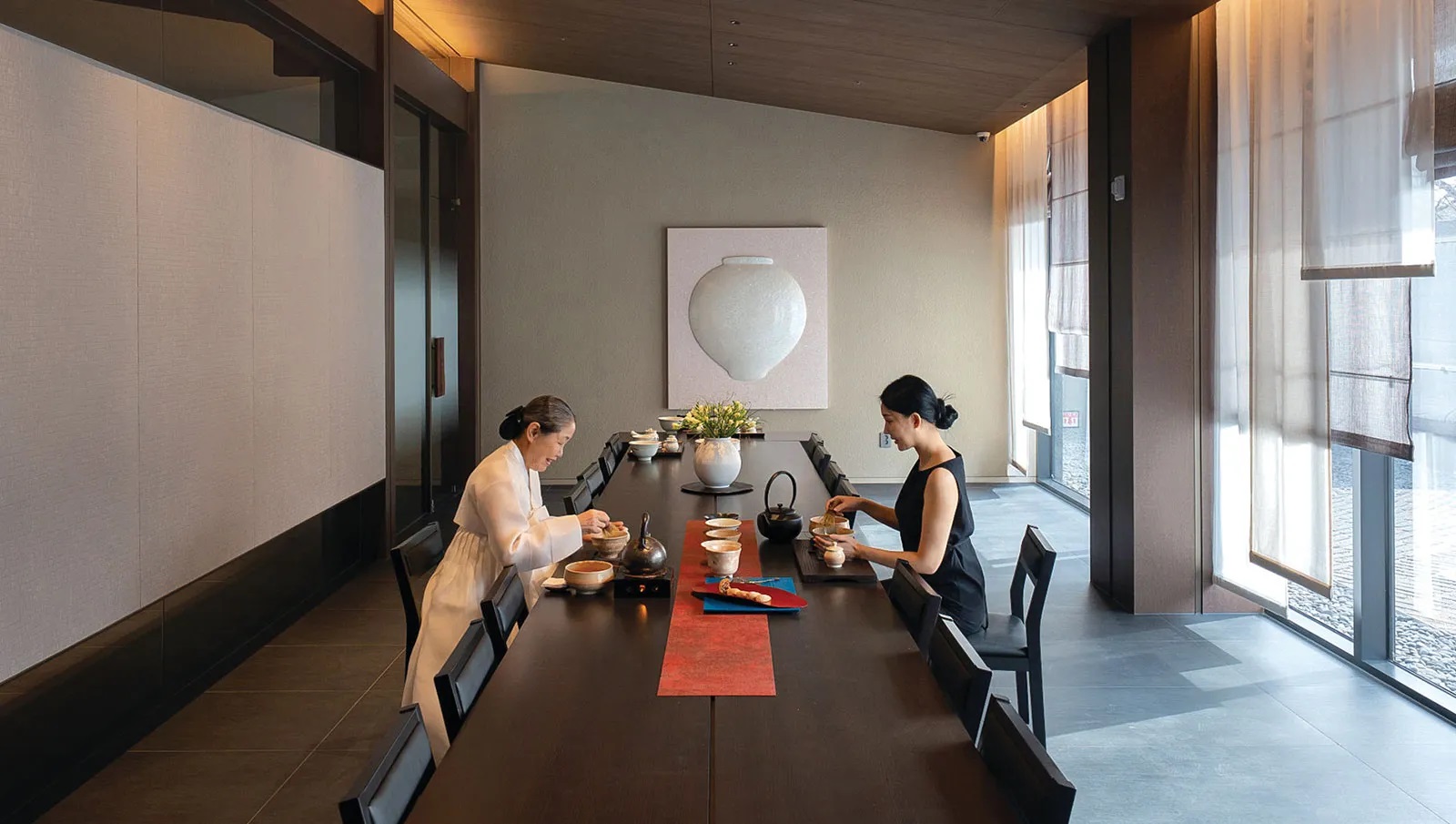
“Mungyeong Sadamjae,” a hot spring hotel in Mungyeong, Gyeongsangbuk-do Province, offers wellness programs alongside tea masters. © Always, Design.
-
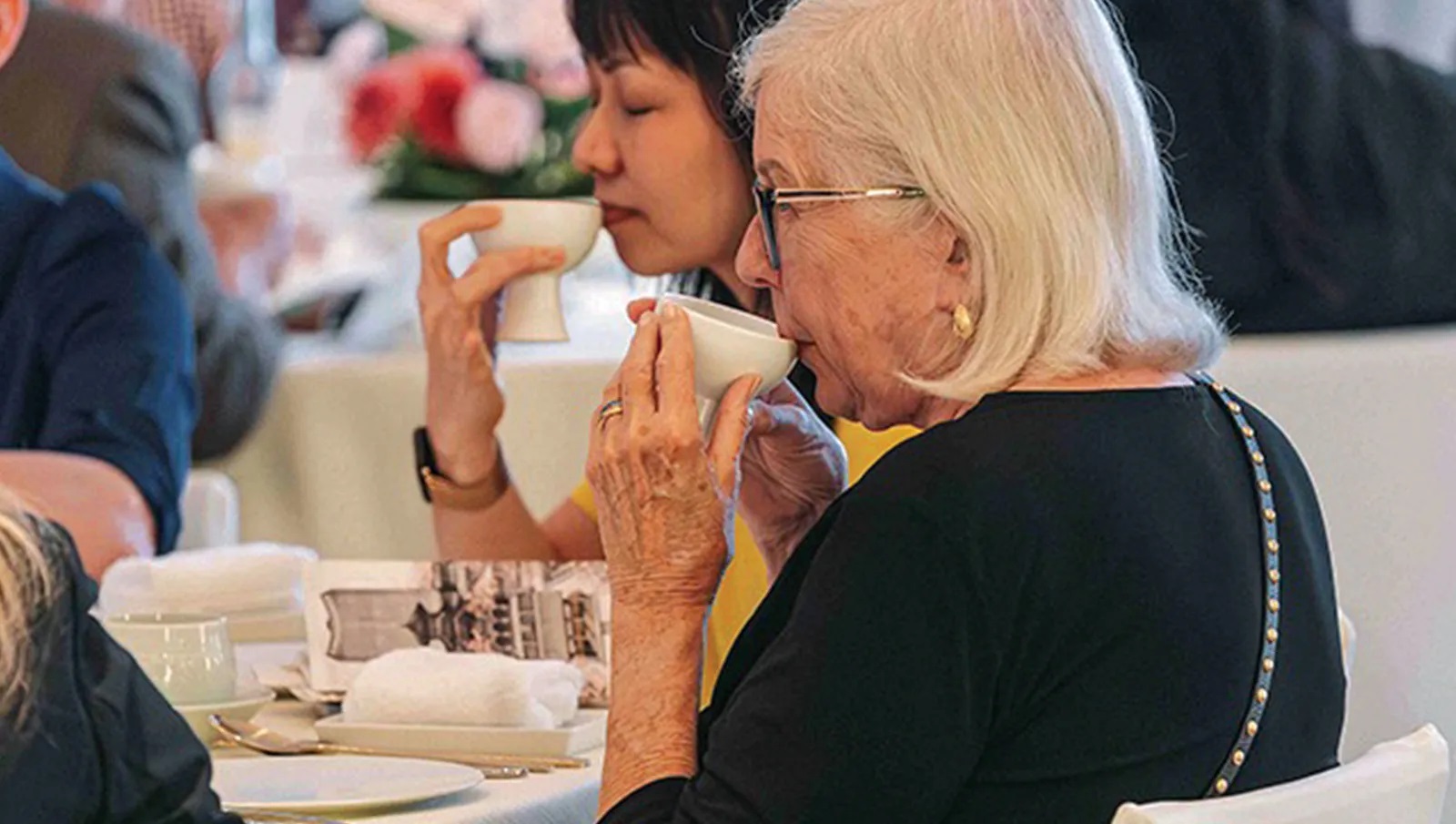
The Westin Josun Seoul hosts “The Heritage Dining with Yoon Jumo”—an exclusive pairing of traditional Korean spirits with fine cuisine—as part of its “Hanmaru” K-culture program. © The Westin Josun Seoul.
-
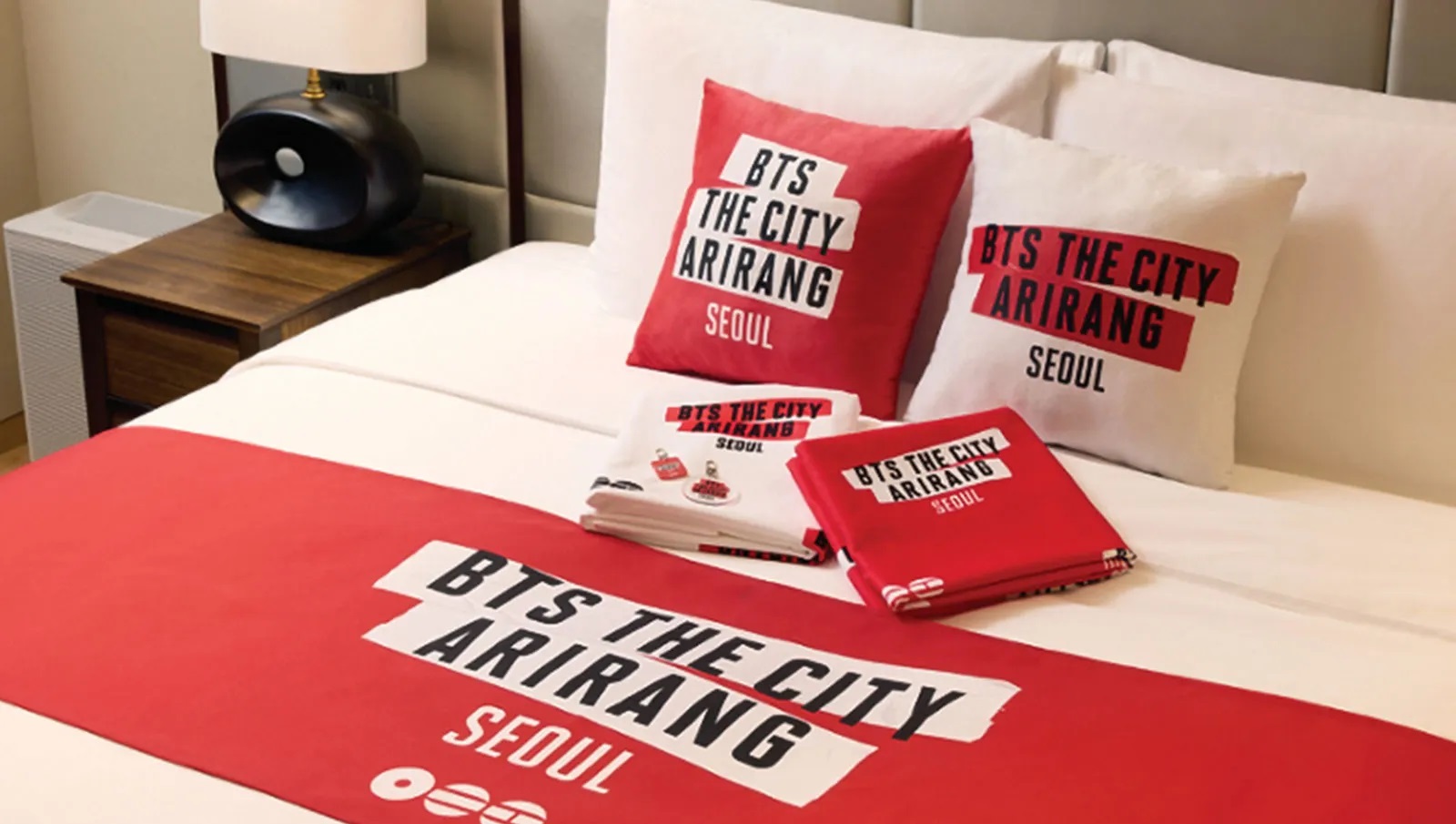
Seoul Dragon City’s limited-edition room package, created in collaboration with BTS THE CITY, features spaces inspired by Korean aesthetics, along with a variety of exclusive merchandise. © Seoul Dragon City.
-
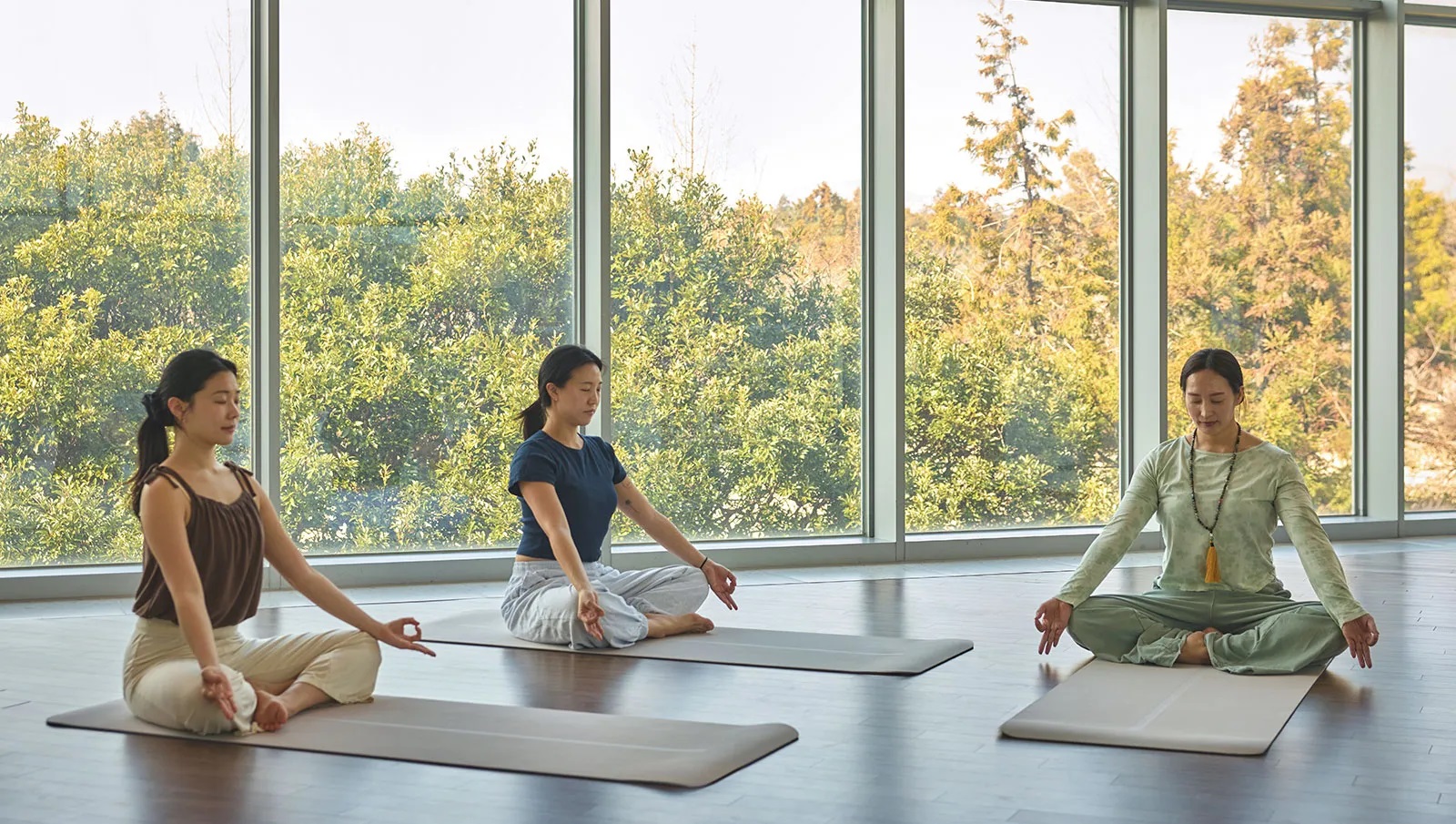
Korean hotels offer a range of unique experiences. Grand Josun Jeju offers rest for body and mind through its wellness experience programs, featuring yoga and meditation classes set in Jeju Island’s nature. Photo courtesy of Grand Josun Jeju.
The Future of Korean Hospitality
The global hospitality industry continues moving toward the same shared priorities: luxury, wellness, digital transformation and sustainability. However, Korea’s competitive edge does not lie in being the first to adopt these trends. Instead, it stems from blending global influences with Korean lifestyle culture to create a uniquely compelling narrative. The Organisation for Economic Co-operation and Development (OECD) has also stressed that the future of tourism competitiveness will depend on how well locality, digital innovation and sustainability can be woven together.
The direction Korea’s lodging industry should take going forward is clear: not supplying more rooms, but offering deeper experiences. Hotels need to become platforms that connect local ingredients, artisan craftsmanship, art, design and the everyday lives of residents—organically weaving together Hanok and local stays, wellness, fine dining and K-culture to create a lodging experience possible only in Korea.
For international visitors, too, a night in Korea is unlikely to remain just a place to sleep. The Seoul skyline glimpsed through a hotel window at night, morning light filtering in beneath a Hanok’s eaves or a day that begins at a small bakery down the alley—these are glimpses of Korea that sightseeing alone could never offer.
If hotels around the world sell rooms, Korea today offers something else: time to experience a way of life. That is precisely why Korean hospitality is drawing global attention right now, and it will likely remain the industry’s greatest competitive edge going forward.
Writer. Seo HyunJin
Seo HyunJin is the Editor-in-Chief of Hotel & Restaurant, a global hospitality magazine founded in 1991.
